Everest Base Camp Helicopter Tour vs Trek : A Complete Decision Guide

Overview
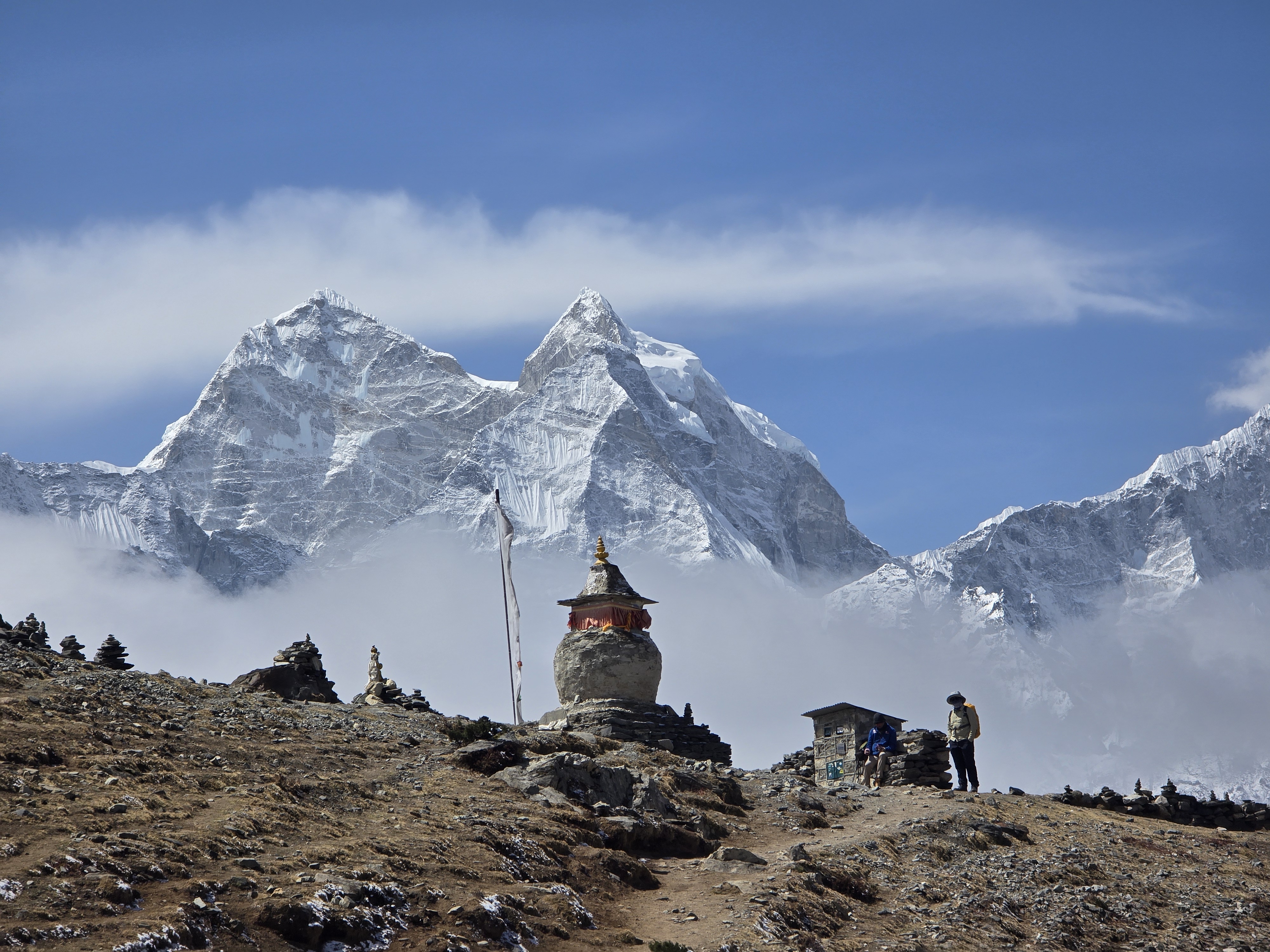
Standing at the foot of Mount Everest (8,848m) is a dream for many travelers. But how you get there makes all the difference. This guide compares the Everest Base Camp Helicopter Tour and the Classic EBC Trek, helping you choose the right adventure based on your time, budget, fitness, and travel style.
Quick Comparison
.jpg)
| Factor | Helicopter Tour | EBC Trek |
|---|---|---|
| Duration | 4-5 hours (same day) | 12-14 days + travel |
| Physical Demand | Minimal | High (6-7 hrs/day walking) |
| Altitude Exposure | Brief (1-1.5 hrs at high altitude) | Gradual acclimatization over days |
| Cultural Immersion | Limited | Deep (Sherpa villages, monasteries) |
| Best For | Time-pressed travelers, families, seniors | Adventure seekers, cultural enthusiasts |
| Success Rate | 95%+ (weather dependent) | 85%+ (fitness dependent) |
Everest Base Camp Helicopter Tour – Luxury, Speed & Aerial Majesty. 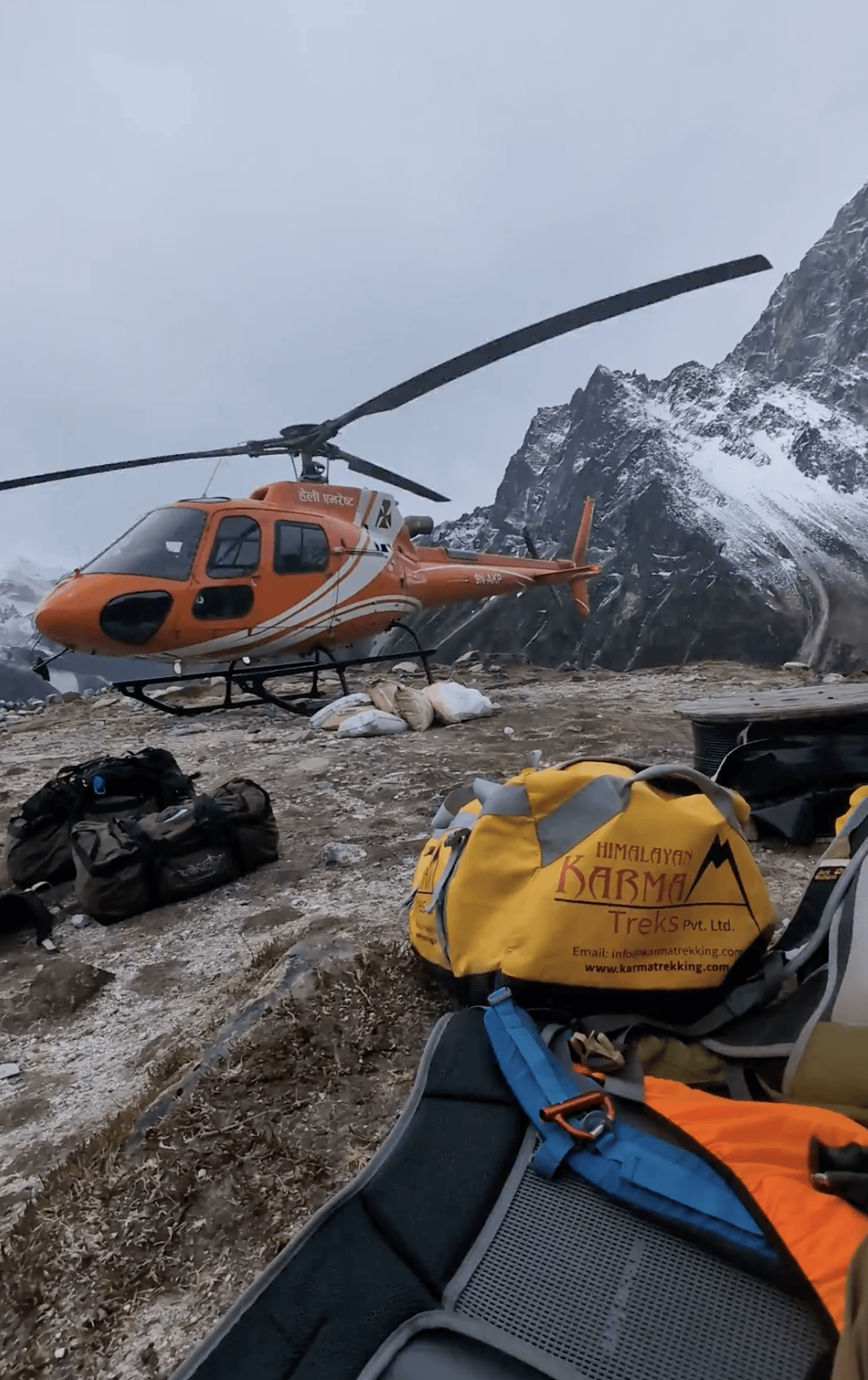
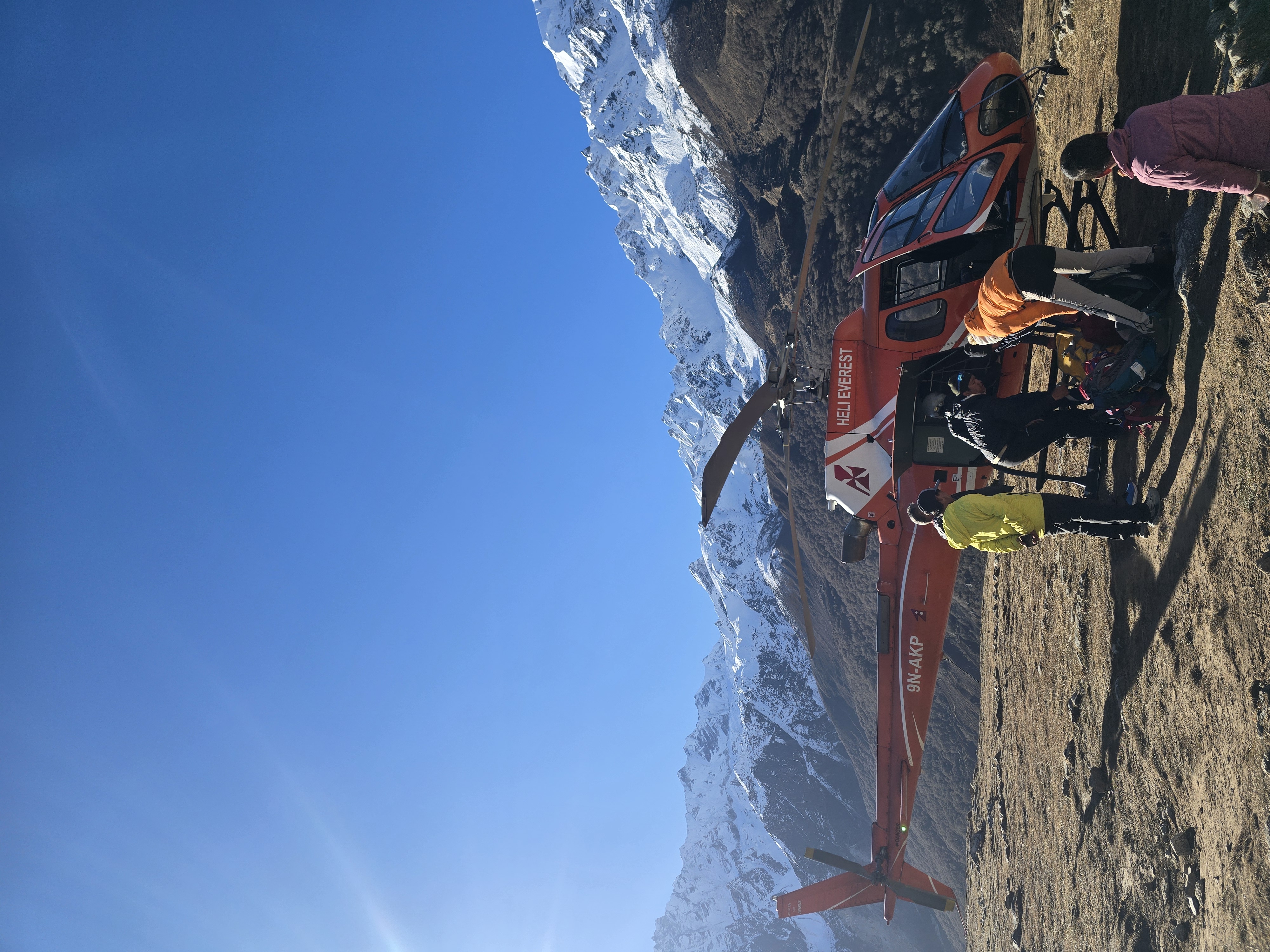
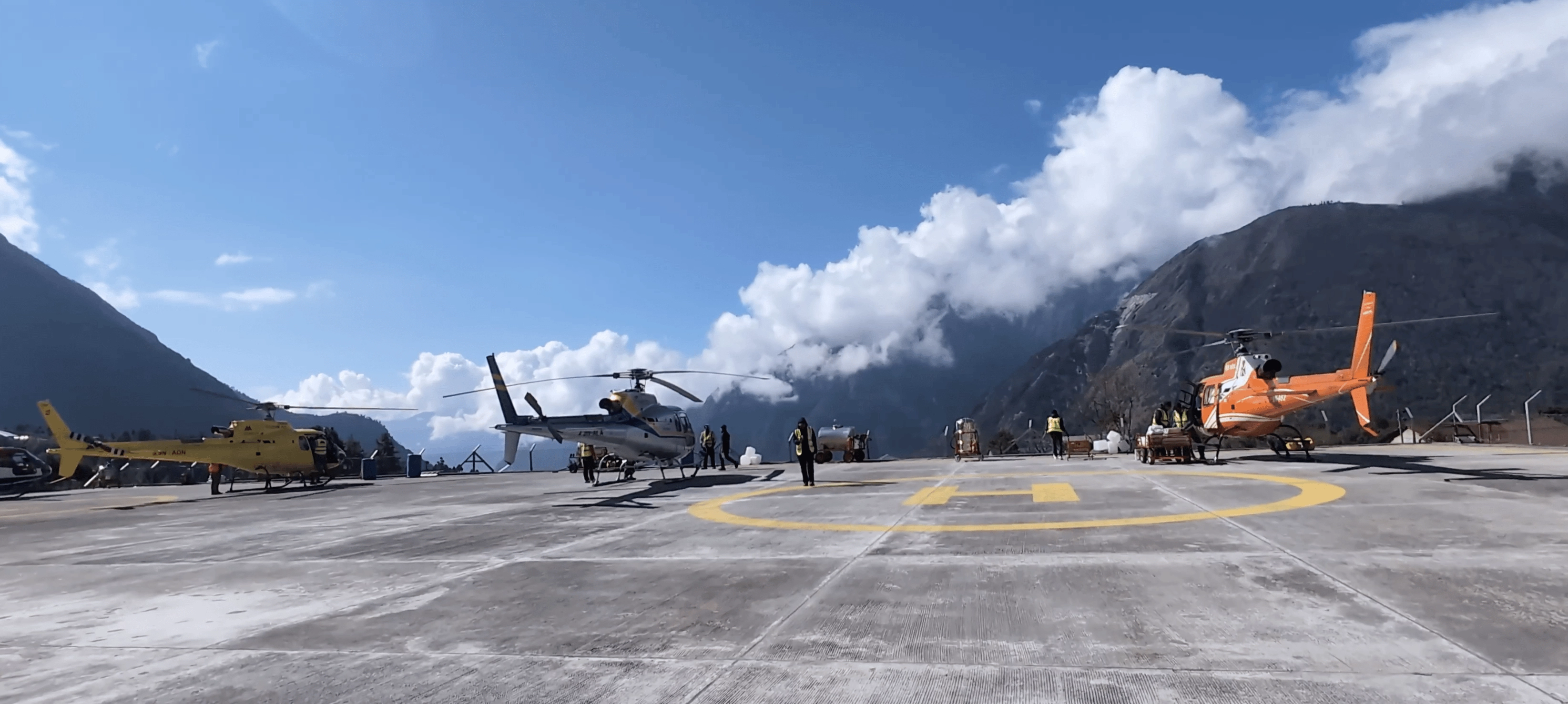
The helicopter tour is perfect for travelers with limited time, physical limitations, or those who want to experience Everest without the demanding trek. In just a few hours, you'll enjoy breathtaking aerial views of Everest, Lhotse, Cho-Oyu, and other Himalayan giants.
Standard Itinerary
| Stop | Duration |
|---|---|
| Kathmandu to Lukla | 45 mins |
| Fuel stop at Lukla | 15-20 mins |
| Lukla to Kala Patthar (via Namche, Tengboche, Pheriche, Khumbu Glacier) | 30 mins |
| Landing at Kala Patthar (5,545m) | 10 mins |
| Kala Patthar to Everest View Hotel | 15 mins |
| Breakfast at Everest View Hotel | 50 mins – 1 hour |
| Everest View Hotel to Lukla | 15 mins |
| Fuel stop at Lukla | 10-15 mins |
| Lukla to Kathmandu | 45 mins |
Pros & Cons
Pros:
-
Breathtaking aerial views of the Khumbu Glacier, Icefall, and Ama Dablam
-
Ultimate time efficiency – compress a 2-week trek into a single morning
-
Accessible for families, seniors, and those with health conditions
-
Minimal physical strain – no heavy backpacks or altitude sickness concerns
Cons:
-
Weather dependent – flights may be delayed or cancelled
-
Limited ground time at high altitude
-
Strict weight limits for passengers
Everest Base Camp Trek – The Classic Pilgrimage
The EBC trek remains the gold standard for Himalayan adventure. This 130km round-trip journey through Sagarmatha National Park (UNESCO World Heritage Site) offers deep cultural immersion and the profound satisfaction of reaching base camp under your own power.
The Trekking Experience
Days 1-2: Lukla to Namche Bazaar. 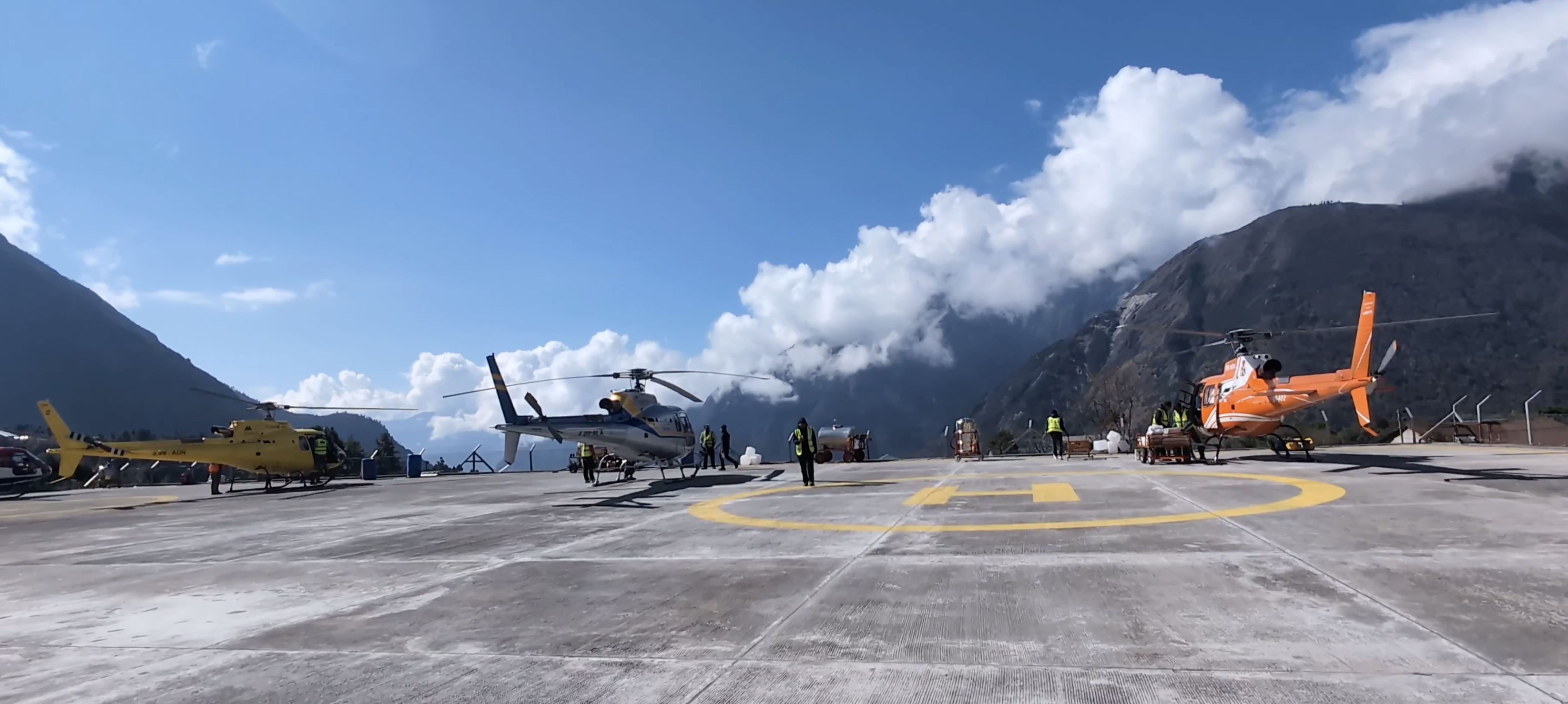
-
Thrilling flight into Lukla (2,860m)
-
Trek through pine forests, cross suspension bridges
-
Arrive at Namche Bazaar (3,440m) – the Sherpa capital
Days 3-6: Namche to Dingboche
-
Visit Tengboche Monastery (3,867m) with views of Ama Dablam
-
Continue to Dingboche (4,410m)
-
Acclimatization hike to Nagarjun Hill for views of Makalu and Lhotse
Days 7-9: Dingboche to Everest Base Camp
-
Push through Lobuche (4,910m) and Gorak Shep (5,164m)
-
Final trek to EBC (5,364m) across the Khumbu Glacier moraine
Day 10: Kala Patthar Sunrise
-
Pre-dawn ascent of Kala Patthar (5,545m) for the ultimate sunrise over Everest
Days 11-14: Descent to Lukla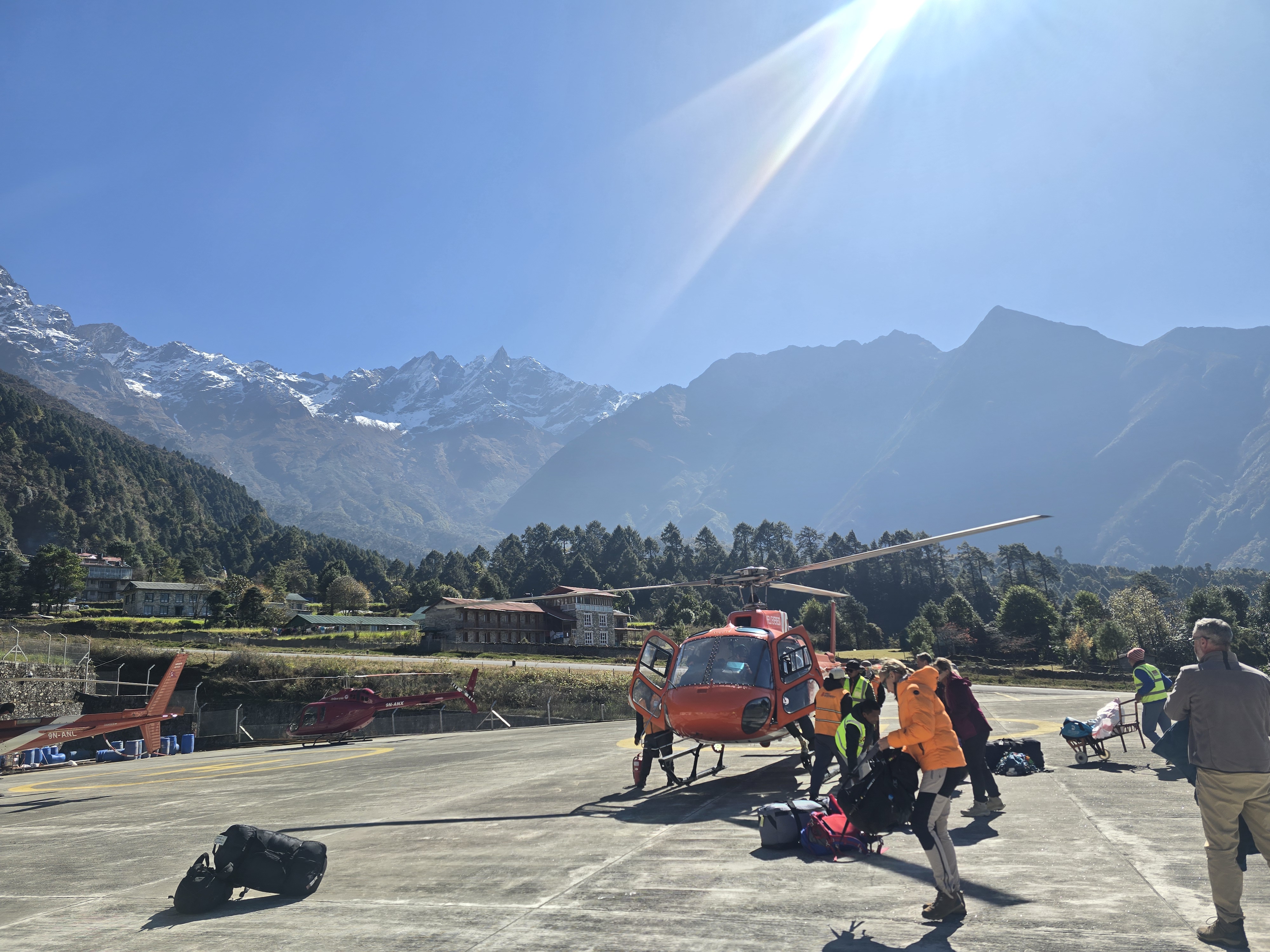
-
Return journey with time to revisit favorite teahouses
Trek Difficulty & Preparation
Physical Requirements:
-
Fitness Level: Moderate to high cardiovascular endurance
-
Daily Walking: 5-7 hours on steep, uneven terrain
-
Backpack Weight: 5-8kg daypack (porters carry main luggage)
-
Technical Difficulty: Non-technical; no climbing experience required
Preparation Timeline (3-6 Months Prior):
-
Cardiovascular Training: Running, cycling, or swimming 3-4x weekly
-
Strength Training: Focus on legs and core (squats, lunges, planks)
-
Hiking Practice: Multi-hour walks with weighted backpack
-
Mental Preparation: Prepare for basic teahouse accommodation and limited connectivity
Altitude Sickness Prevention:
-
Acclimatization Days: Mandatory stops at Namche and Dingboche
-
Hydration: 4-6 liters of water daily
-
Ascent Rule: Never sleep more than 500m higher than previous night
-
Emergency Protocol: Helicopter evacuation available from Gorak Shep ($3,000-$5,000)
Pros & Cons
Pros:
-
Sense of achievement – profound personal accomplishment
-
Cultural depth – authentic relationships with Sherpa communities
-
Cost efficiency – 40-50% cheaper than helicopter tours
Cons:
-
Time commitment – minimum 2 weeks including travel
-
Physical toll – knee strain, exhaustion, altitude challenges
-
Basic facilities – squat toilets, bucket showers, limited electricity above 4,000m
-
Weather risks – flight cancellations can extend the trip
Which Option Is Right for You?
Choose Helicopter Tour if you:
-
Have only 1-2 days for the Everest region
-
Are traveling with children (4+) or seniors (70+)
-
Have fitness limitations or health concerns
-
Prioritize photography and aerial perspectives
-
Want to avoid altitude sickness risks entirely
Choose Trekking if you:
-
Want the profound satisfaction of physical achievement
-
Enjoy multi-day hiking and basic mountain living
-
Seek cultural immersion and authentic experiences
-
Have 12-14 days available for the journey
Frequently Asked Questions (FAQs)
What if weather prevents our scheduled flight?
We monitor conditions 48 hours in advance. If morning weather is marginal, private charter clients enjoy schedule flexibility to wait for clearing or reschedule. Full refunds available for weather cancellations.
Do you offer helicopter tours in winter or monsoon?
We operate year-round private charters weather-permitting. Spring (March-May) and Autumn (September-November) offer optimal conditions. Winter flights provide crystal-clear air but colder temperatures.
Can I land at Everest Base Camp itself?
Helicopters typically land at Kala Patthar (5,545m) rather than base camp (5,364m) because Kala Patthar offers superior Everest views. Base camp landings are restricted to emergency situations or special permits. You'll fly over base camp for aerial views.