Langtang Valley Trek: Nepal’s Hidden Himalayan Paradise Reckons Adventurers

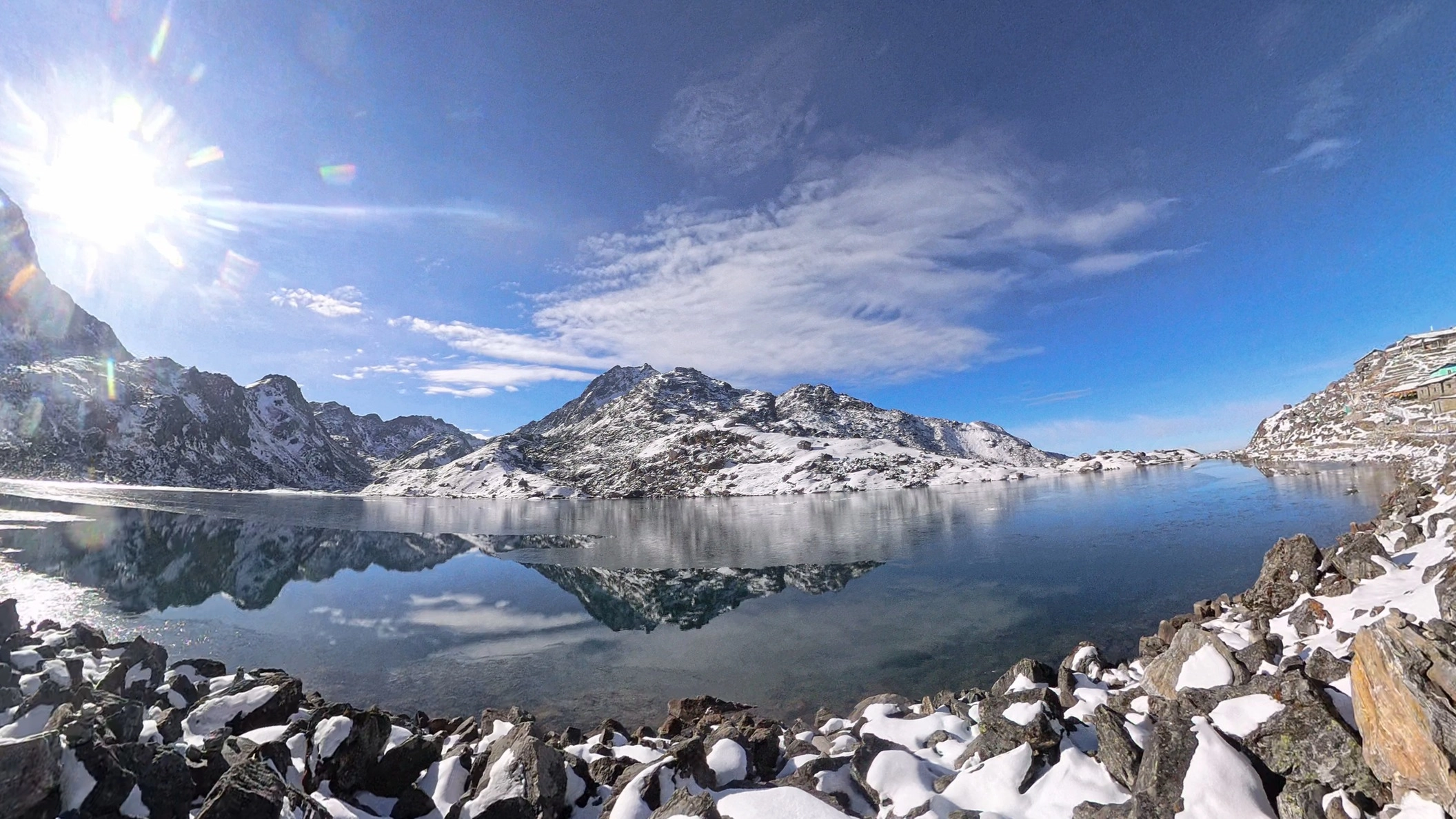
KATHMANDU, NEPAL: Nestled in the northern Himalayan region of Nepal, the breathtaking langtang valley continues to attract trekkers seeking an authentic mountain experience away from the crowded trekking routes of the country. Known for its dramatic landscapes, rich Tamang culture, and stunning alpine scenery, the Langtang Valley Trek offers one of the most rewarding journeys in the Nepalese Himalayas.
Located within the protected area of Langtang National Park, the trek combines spectacular mountain views, lush forests, traditional villages, and centuries-old Buddhist traditions. The route provides visitors with an opportunity to experience both the natural and cultural treasures of Nepal in a relatively short yet unforgettable adventure.

A Scenic Journey into the Himalayas
The trek begins with a picturesque drive from Kathmandu to the mountain town of Syabrubesi, the gateway to the Langtang region. As trekkers leave the bustling city behind, winding mountain roads reveal terraced hillsides, river gorges, and distant Himalayan peaks.
From Syabrubesi, the trail gradually ascends through dense rhododendron and bamboo forests, crossing suspension bridges and following crystal-clear rivers fed by Himalayan glaciers. Along the way, travelers encounter waterfalls, wildlife, and traditional settlements that showcase the unique heritage of the Tamang people.


Cultural Richness Along the Trail
One of the defining features of the Langtang Valley Trek is its strong cultural identity. The region is home to the Tamang community, whose traditions, language, and Buddhist heritage have been preserved for generations.
Prayer wheels, mani walls, and colorful prayer flags line the trekking route, offering visitors insight into the spiritual life of the Himalayan communities. Local tea houses provide warm hospitality and an opportunity to experience authentic mountain lifestyles while enjoying traditional Nepalese cuisine.
The resilience of the local people has also become a symbol of hope and determination following the devastating earthquake of 2015, after which many villages were rebuilt and reopened to trekkers.
Kyanjin Gompa: Jewel of the Langtang Valley
At the heart of the trek lies the beautiful alpine settlement of Kyanjin Gompa, situated amidst towering snow-covered peaks. This picturesque village serves as the final destination for many trekkers and is widely regarded as one of the most scenic locations in the region.
Surrounded by glaciers and rugged mountains, Kyanjin Gompa offers spectacular views and a peaceful atmosphere. Visitors can explore the historic monastery, interact with local residents, and enjoy panoramic vistas that stretch across the valley.


Spectacular Mountain Views Await
For those seeking additional adventure, optional hikes from Kyanjin Gompa lead to renowned viewpoints such as Tserko Ri. The summit rewards trekkers with breathtaking panoramic views of the surrounding Himalayan ranges.
Among the most impressive sights is Langtang Lirung, the highest peak in the Langtang region. Snow-covered ridges, glacial valleys, and endless mountain horizons create a scene that remains etched in the memories of visitors long after their journey ends.
A Perfect Trek for Every Explorer
Unlike some of Nepal’s more demanding trekking routes, the Langtang Valley Trek is considered suitable for both beginners and experienced trekkers. The moderate difficulty level, combined with exceptional scenery and cultural immersion, makes it an ideal choice for travelers looking to experience the Himalayas without committing to a lengthy expedition.
As Nepal's tourism industry continues to welcome visitors from around the world, the Langtang Valley Trek stands out as a destination where nature, culture, and adventure exist in perfect harmony.
Summary
The Langtang Valley Trek remains one of Nepal’s most captivating Himalayan journeys. From tranquil forests and traditional villages to towering mountains and sacred monasteries, the trek offers an unforgettable blend of adventure and cultural discovery. For travelers seeking a peaceful yet spectacular trekking experience, Langtang Valley continues to shine as one of the Himalayas’ finest hidden gems.