Chulu Far East Peak 2027

Chulu Far East Peak Climbing: Your 6000m Adventure in the Annapurna Region
Chulu Far East Peak (6,059m) is one of the magnificent trekking peaks in the Annapurna region, offering climbers a spectacular high-altitude adventure combined with the classic Annapurna Circuit Trek. Located in the Damodar Himal range, this peak towers above the Manang Valley and provides breathtaking panoramic views of some of the world's highest mountains, including Annapurna II (7,937m) , Annapurna III (7,555m) , Annapurna IV (7,525m) , Gangapurna (7,454m) , Dhaulagiri (8,167m) , Manaslu (8,163m) , and Tilicho Peak.
Himalayan Karma Treks invites you to join our professional team on this incredible journey. You will experience a meticulously planned expedition that combines cultural immersion, stunning trekking, and thrilling peak climbing—all under the guidance of experienced, certified mountaineering professionals.
Why Climb Chulu Far East with Himalayan Karma Treks?
The Chulu group of peaks consists of four main summits: Chulu East (6,584m) , Chulu West (6,429m) , Chulu Central, and Chulu Far East (6,059m) . Chulu Far East is considered the least technically difficult of the Chulu peaks, making it an excellent choice for climbers with basic mountaineering skills who wish to experience a 6000m peak in the Annapurna region.
-
Expert Climbing Guides: Our guides are IFMGA/UIAGM-certified with extensive experience on 6000m peaks. They manage high camps, fix ropes, and guide you through the steep snow and ice sections. Their support allows you to focus on climbing and acclimatizing.
-
Comprehensive Logistics: From Chulu Far East climbing permits and documentation to transportation and teahouse bookings, we handle the details. Our itinerary is designed to maximize acclimatization and cultural immersion. For a full breakdown of what to bring, see our [Insert link to 6000m Gear List].
-
Cultural Immersion: The Annapurna region is home to diverse ethnic communities, including Gurung, Magar, and Sherpa. Our itinerary includes time to explore traditional villages and interact with local communities.
-
Classic Annapurna Circuit Experience: This journey follows the famous Annapurna Circuit trail, passing through lush forests, traditional villages, and the arid landscapes of the Tibetan plateau before crossing the iconic Thorung La Pass (5,416m) .
-
Scenic Flight: The trek concludes with a scenic flight from Jomsom to Pokhara, offering breathtaking Himalayan views.
The Route: Annapurna Circuit and Chulu Far East Summit
This 21-day journey combines the best of the Annapurna Circuit with a thrilling 6000m peak climb. The route is designed for proper acclimatization and maximum enjoyment.
The Annapurna Circuit Trail
The trek follows the famous Annapurna Circuit trail, passing through lush forests, traditional Gurung and Sherpa villages, and the arid landscapes of the Tibetan plateau. You will experience the diverse cultures and landscapes that make this one of Nepal's most beloved treks.
Acclimatization and Base Camp
The itinerary includes gradual altitude gain to allow proper adjustment to altitude before the summit attempt. You will spend time acclimatizing in Manang and at Chulu Far East Base Camp before the climb.
The Climb: PD Graded and Accessible
The climb is graded PD (Moderate) and is suitable for climbers with basic mountaineering skills. It involves steep snow and ice sections, glacier travel, and high-altitude conditions. Prior experience with crampons, ice axe, and rope techniques is recommended.
Thorung La Pass and Muktinath
After the climb, the trek continues over the iconic Thorung La Pass (5,416m) , the highest point of the Annapurna Circuit. You will then descend to the sacred Muktinath Temple, a holy pilgrimage site revered by Hindus and Buddhists.
Kali Gandaki Gorge
The trek concludes with a journey through the Kali Gandaki Gorge—the deepest gorge in the world—before reaching Jomsom for your scenic flight to Pokhara.
Best Seasons for Chulu Far East Peak Climbing
The optimal climbing seasons for Chulu Far East are spring (March to May) and autumn (September to November) . During these windows, weather conditions are stable, with clear mountain views, safe trail conditions, and comfortable climbing temperatures.
Spring offers blooming rhododendron forests and warmer temperatures. Autumn provides crisp, clear views with excellent visibility for summit attempts.
Chulu Far East Peak Climbing Cost and Inclusions
The Chulu Far East Peak climbing cost is comprehensive and designed to give you the best chance of success. Please [Insert link to Contact Page] for a detailed quote based on your group size and requirements.
What's Typically Included:
-
Chulu Far East Peak Climbing Permit (from Nepal Mountaineering Association)
-
Annapurna Conservation Area Project (ACAP) permit
-
TIMS card
-
Licensed guide and support staff
-
Full board during the trek (teahouse meals)
-
Camping equipment and supplies during the climb
-
Kathmandu and Pokhara hotel accommodation
-
Airport transfers and ground transportation
-
Scenic flight from Jomsom to Pokhara
What's Typically Not Included:
-
International airfare and Nepal visa fees
-
Personal climbing gear and medical kit
-
Tips for guides and porters
-
Emergency rescue and evacuation insurance (mandatory, covering up to 6,100m)
-
Personal expenses (drinks, snacks, souvenirs)
Important Notes for Climbers
Please read the following notes carefully before booking your Chulu Far East Peak Climbing.
-
Acclimatization: The itinerary includes gradual altitude gain to allow proper adjustment to altitude before the summit attempt.
-
Physical Preparation: This is a strenuous climbing expedition requiring good physical fitness and basic mountaineering skills. Prior experience at high altitude is recommended.
-
Best Season: Spring (March–May) and Autumn (September–November) offer the clearest skies and most stable climbing conditions.
-
Travel Insurance: Comprehensive travel insurance covering high-altitude trekking (up to 6,100m) and emergency helicopter evacuation is mandatory.
-
Permit Processing: Climbing permits require advance processing. We recommend booking at least 3–4 months in advance.
-
Accommodation Standards: Teahouse accommodation is comfortable but basic, with shared bathrooms and limited hot water. During the climbing phase, accommodation is in tents with camping facilities.
-
Gear and Equipment: A detailed gear list will be provided upon booking. Essential items include mountaineering boots, crampons, ice axe, harness, helmet, and appropriate clothing for extreme cold.
-
Flight Delays: Jomsom–Pokhara flights are subject to weather conditions. Build flexibility into your travel schedule to account for potential delays.
-
Altitude Awareness: The maximum altitude is 6,059m at Chulu Far East summit. Be aware of the symptoms of acute mountain sickness and follow your guide's advice.
-
Contingency Day: Day 12 is a buffer day for weather or acclimatization. If not needed, it can be used for additional exploration or rest.
-
The itinerary is changeable and modifiable as per the needs and time frame of climbers.
-
The cost will be re-calculated if the itinerary is changed or modified.
-
Additional activities may be added as per climbers' request with appropriate additional cost.
-
The cost may also be affected due to the requirement for a number of guides and porters.
-
For any kind of change, please contact us by email or call.
Chulu Far East Peak Climbing FAQs
What experience do I need for Chulu Far East?
This expedition is physically demanding and recommended for trekkers with good fitness levels and prior high-altitude experience. The climb reaches altitudes over 6,000 meters and requires proper acclimatization and basic mountaineering skills.
How long is the Chulu Far East Peak Climbing?
The expedition typically takes 21 days, including the trek, acclimatization, the climb, and the return journey.
Do I need a special permit for Chulu Far East?
Yes. The climb requires a Chulu Far East Peak Climbing Permit issued by the Nepal Mountaineering Association (NMA) . You will also need an Annapurna Conservation Area Project (ACAP) permit and a TIMS card. Himalayan Karma Treks arranges all necessary permits for you.
What is the accommodation like?
Accommodation ranges from comfortable hotels in Kathmandu and Pokhara to basic teahouses during the trekking sections and tented camps during the climbing phase. At higher altitudes, facilities are very basic with limited amenities.
What is the best season for Chulu Far East?
Spring (March to May) and Autumn (September to November) are the best seasons. Both offer stable weather and clear mountain views.
Is Chulu Far East suitable for beginners?
The climb is graded PD (Moderate) and is suitable for climbers with basic mountaineering skills. Prior experience with crampons, ice axe, and rope techniques is recommended.
What is the maximum altitude on the trek?
The maximum altitude is 6,059m at the Chulu Far East summit.
What is the transportation like?
Transportation includes a drive from Kathmandu to the trailhead, jeep transfers, and a scenic flight from Jomsom to Pokhara. Road conditions can be rough and flight delays due to weather are possible.
Why climb Chulu Far East instead of a more popular peak?
Chulu Far East offers a spectacular 6000m trekking peak combined with the classic Annapurna Circuit Trek. It is an excellent choice for climbers with basic mountaineering skills who wish to experience a 6000m peak in the Annapurna region without the technical challenges of higher peaks.
Ready to climb your first 6000m peak? Contact Himalayan Karma Treks to discuss your Chulu Far East Peak Climbing. Our team will help you determine if this is the right next step in your mountaineering journey.
Fixed Departure Dates
Early booking recommended due to limited seats.
Itinerary
-
Day 1 : Arrival in Kathmandu – Transfer to Hotel
-
Highlights: Warm welcome at the airport, comfortable hotel accommodation, welcome dinner with cultural program
-
Activity: Airport transfer, rest and relaxation, welcome dinner, trip orientation
-
-
Day 2 : Permit Issue, Preparation, Last-Minute Shopping and Briefing
-
Highlights: Permit processing and documentation, last-minute gear shopping, detailed expedition briefing
-
Activity: Permit application and processing, last-minute gear shopping, expedition briefing, gear check, preparation and packing
-
-
Day 3 : Drive Kathmandu → Besisahar (760m)
-
Highlights: Scenic drive along the Trishuli and Marsyangdi Rivers, arrival in Besisahar – gateway to the Annapurna Circuit
-
Activity: Scenic photography, rest and preparation, village exploration
-
-
Day 4 : Jeep Drive Besisahar → Dharapani (1,650m)
-
Highlights: Scenic jeep drive along the Marsyangdi River, arrival in Dharapani
-
Activity: Scenic photography, village exploration, cultural observation
-
-
Day 5 : Trek Dharapani → Chame (2,670m)
-
Highlights: Annapurna massif views, Lamjung Himal (6,983m), Manang district headquarters
-
Activity: Valley trekking, photography of mountain views, cultural exploration
-
-
Day 6 : Trek Chame → Lower Pisang (3,200m)
-
Highlights: Pisang Peak (6,091m) views, Annapurna massif panoramas, Tibetan-style architecture
-
Activity: Forest trekking, monastery visits, photography, cultural immersion
-
-
Day 7 : Trek Lower Pisang → Ngawal (3,660m)
-
Highlights: Annapurna II, III, IV, and Gangapurna views, traditional mountain village of Ngawal, Buddhist culture
-
Activity: Mountain viewing, village exploration, photography, monastery visit
-
-
Day 8 : Trek Ngawal → Yak Kharka (3,840m)
-
Highlights: Alpine landscapes, yak pastures, views of the Chulu massif
-
Activity: Trekking in alpine terrain, photography, wildlife spotting (yaks, blue sheep), acclimatization
-
-
Day 9 : Trek Yak Kharka → Chulu Far East Base Camp (4,950m)
-
Highlights: Chulu massif views, base camp establishment, climbing preparation
-
Activity: Trekking to base camp, tent setup, climbing briefing, equipment preparation
-
-
Day 10 : Climb Base Camp → High Camp (5,400m)
-
Highlights: Chulu glacier views, summit preparation, high camp establishment
-
Activity: Trekking to high camp, tent setup, summit preparation, climbing skills practice, early rest for summit attempt
-
-
Day 11 : Summit Day – Chulu Far East (6,059m) → Base Camp (4,950m)
-
Highlights: Summit of Chulu Far East (6,059m), panoramic views of 8000m+ peaks, sense of achievement and accomplishment
-
Activity: Early morning summit climb, photography at the summit, celebration at the top, descent to base camp, mountain views of Annapurna, Manaslu, Dhaulagiri
-
-
Day 12 : ontingency Day in Base Camp for Weather
-
Highlights: Flexibility and safety, additional acclimatization, rest and recovery
-
Activity: Rest and recovery, exploration of surrounding area (if conditions permit), relaxation and reflection
-
-
Day 13 : Trek Base Camp → Ngawal (3,660m)
-
Highlights: Scenic descent, rejoining the Annapurna Circuit, rest and recovery
-
Activity: Descent trekking, photography, rest and recovery, mountain viewing
-
-
Day 14 : Trek Ngawal → Manang (3,540m)
-
Highlights: Manang village – largest in the Manang Valley, Annapurna massif views, cultural immersion
-
Activity: Valley trekking, photography, village exploration, monastery visit, acclimatization
-
-
Day 15 : Trek Manang → Ledar (4,050m)
-
Highlights: Scenic Annapurna Circuit trail, Thorung La approach, mountain views
-
Activity: Valley trekking, photography, preparation for the high pass
-
-
Day 16 : Trek Ledar → Thorung Phedi (4,540m) / High Camp (4,880m)
-
Highlights: Thorung Phedi / High Camp, preparation for Thorung La Pass, mountain views
-
Activity: Valley trekking, photography, preparation for the high pass, early rest for the next day
-
-
Day 17 : Trek via Thorung La Pass (5,416m) → Muktinath (3,710m)
-
Highlights: Thorung La Pass (5,416m) – highest point of the Annapurna Circuit, panoramic Himalayan views, Muktinath Temple – sacred pilgrimage site
-
Activity: Crossing Thorung La Pass, photography at the pass, visit to Muktinath Temple, celebration and reflection
-
-
Day 18 : Trek Muktinath → Jomsom (2,720m) via Kagbeni
-
Highlights: Kali Gandaki Gorge – the deepest in the world, Kagbeni village – gateway to Upper Mustang, Dhaulagiri and Nilgiri panoramas
-
Activity: Valley trekking, photography, village exploration, cultural observation
-
-
Day 19 : Fly Jomsom → Pokhara (20 Minutes) – Explore Pokhara City
-
Highlights: Scenic flight with Himalayan views, Phewa Lake and lakeside relaxation, Pokhara city exploration
-
Activity: Scenic mountain flight, photography, boating on Phewa Lake, city exploration, relaxation
-
-
Day 20 : Drive Pokhara → Kathmandu (7 Hours)
-
Highlights: Scenic drive along the Trishuli River, return to Kathmandu, free time for shopping
-
Activity: Scenic photography, sightseeing (optional), souvenir shopping, rest and relaxation
-
-
Day 21 : End of the Program – Fly to Your Destination
-
Highlights: Farewell and departure, completion of the expedition
-
Activity: Departure transfer, farewell to Nepal, end of the program
-
Cost Inclusion
- All arrival and departure transfers to and from Airports.
- Assistance at the airports by Himalayan karma representative.
- Necessary surface transport as per itinerary.
- 3 nights hotel accommodations in Kathmandu on BB Plan.
- 1-night hotel accommodation in Pokhara on BB plan.
- Experienced trekking guide (s) and 1:1 porter (s) during the trekking carrying 30kg maximum weight.
- Experienced and certified peak climbing Sherpa as per required.
- Surface transportation for Kathmandu-Besishahar-Dharapani and VV or Pokhara to Kathmandu.
- Jomsom-Pokhara flight tickets to all members and guide and surface to the porter (s).
- Base camp camping equipment like camp furniture, kitchenware, tents, etc.
- 3 meals a day (Breakfast, Lunch and Dinner) and sharing teahouse accommodation during the trekking.
- 3 meals a day (BLD with tea or coffee) and sharing tented camp accommodation during climbing at BC.
- Necessary high altitude food for climbing members and Sherpa for high camps.
- Annapurna Conservation Area entry fees and TIMS (Trekkers’ Information management system) card.
- Climbing permit for Chulu East Peak from Nepal Mountaineering Association (NMA).
- All wages, equipment, medical and accidental Insurance for the involved staffs.
- First Aid medical kits for the Group and the staffs.
- Required fixed and dynamic rope during the climbing period through climbing Sherpa.
- All necessary paper works and Government Taxes levied in Nepal.
- Complete pre-departure information, and flight ticket reconfirmation.
- Farewell dinner in a typical Nepali restaurant with Himalayan Karma Treks
- Complimentary duffel bag from Himalayan Karma Treks for storing and carrying your trekking gear
- Our service Charges
Cost Exclusion
- Lunch and dinner during your stay in Kathmandu and Pokhara except for farewell dinner.
- Items of personal nature, like phone calls, Internet use and laundry expenses.
- Clothing, packing items or bags, personal medical kit, personal trekking gears.
- Any extra services or products or offers or activities that are not mentioned in the itinerary.
- Any extra expenses arising out of various unforeseen situations.
- Any additional staff other than specified.
- Rescue, repatriation, medicines, medical tests and hospitalization expenses.
- International airfares, medical and travel insurance.
- Nepal entry visa fee (Visa issuance is easy at the arrival).
- Filming, Walkie-Talkie, satellite phone and Drone Camera filming permits.
- Tips, gifts, and souvenirs.
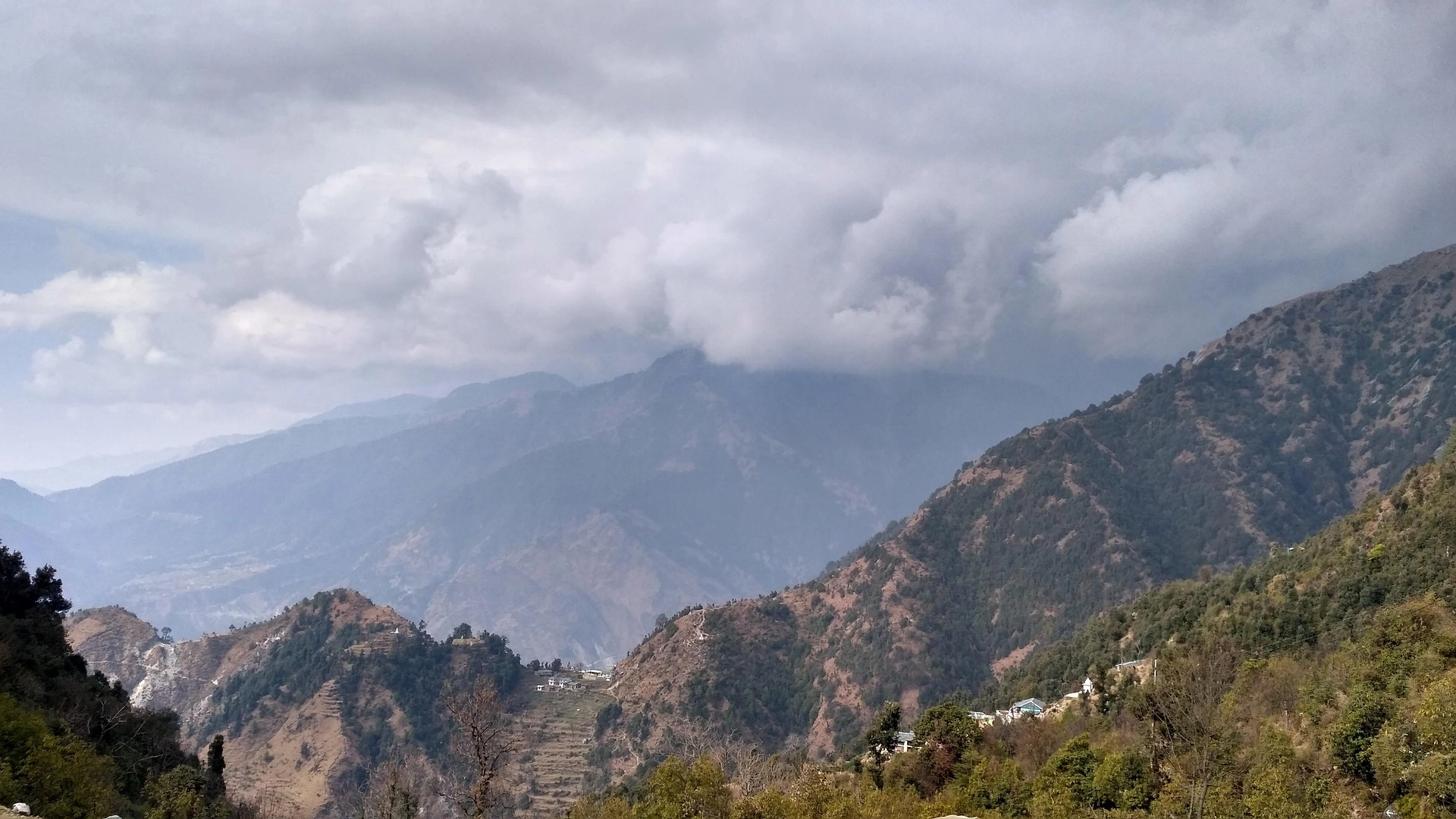
Expedition Gallery

Related Packages


Ama Dablam Expedition 2027


Chulu West Peak

Mera Peak Climbing 2027
Island Peak Climbing 2027
Lobuche Peak Climbing
Naya Kanga Peak