Everest Expedition 2027

Everest Expedition (South Face): Your Guided Climb to the Top of the World
Standing on the summit of Mount Everest (8,848.86m) is a defining human experience. This is not just a trek; it is a serious, high-altitude mountaineering expedition on the world’s highest peak. Himalayan Karma Treks invites you to join a professionally guided expedition from Everest Base Camp to the summit via the iconic South Face and Southeast Ridge route.
We manage every detail, from your arrival in Kathmandu to your safe return. You can focus entirely on the climb, knowing our team handles logistics, permits, and high-camp support. This is your opportunity to retrace the historic 1953 route of Hillary and Tenzing and write your own chapter in Everest’s story.
Why Choose Our Guided Everest Expedition?
Attempting Everest requires more than ambition; it requires an expert team. Our focus is on your safety and success. We provide a robust support system so you can perform at your best.
-
Elite Guides: Our climbing Sherpas are highly qualified, regularly retrained, and recognized for their experience. We only employ guides with a proven track record on 8000m peaks.
-
Rigorous Safety Standards: We implement strict safety and accident prevention protocols. This includes a 1:1 climber-to-Sherpa ratio, comprehensive medical kits, and a Gamow bag at Base Camp.
-
Ethical Employment: All our guides and staff are employed under ethical standards, ensuring fair wages and safe working conditions.
-
Full Board Service: The expedition cost is comprehensive. It includes hotels in Kathmandu, flights to Lukla, teahouse trekking, all camping equipment, food, and high-altitude supplies.
The South Face Route: A Step-by-Step Breakdown
The South Face route is the most popular path to the summit, combining a trekking approach with technical high-altitude climbing.
The Approach to Base Camp
Your journey begins with a flight to Lukla and an 8-day trek through the Khumbu region. This is a critical period for acclimatization.
-
The Trek: The trail passes through Namche Bazaar (3,440m), Tengboche (3,860m), and Pheriche (4,371m) before arriving at Everest Base Camp (5,364m).
-
Acclimatization: This gradual ascent is vital for preparing your body for the extreme altitude ahead. For a detailed guide on preparing for the trek, see our [Insert link to Everest Base Camp Trek Guide].
Climbing the High Camps
Once at Base Camp, the real expedition begins. You will follow a series of acclimatization rotations and a final summit push.
-
The Khumbu Icefall: This is the most dangerous section of the climb. Our experienced Sherpa team sets up ladders and fixed ropes through this constantly shifting maze of ice. We cross the icefall during the cool, stable early morning hours.
-
Camp 1 (6,000m): Located at the top of the Icefall, this is a desolate and exposed camp used for rest and transition.
-
Camp 2 (6,400m): Positioned in a safe, sheltered location at the base of the Lhotse Wall, this becomes our main climbing camp and acclimatization hub.
-
Camp 3 (7,200m): A small ledge on the Lhotse Wall, reached via a 600m climb on fixed ropes. This is the first camp where most climbers begin using supplementary oxygen.
-
Camp 4 (7,950m): Located on the South Col, this is the final camp before the summit push. It is a harsh, wind-battered place, but it gives climbers the best chance for a final rest before the long summit day.
The Final Summit Push
From the South Col, you enter the "death zone." The final climb follows the Southeast Ridge, past the Balcony and the South Summit, over the knife-edge ridge and the notorious Hillary Step.
The entire route is secured with fixed ropes. This is crucial for safety, as altitude significantly impairs energy and judgment. Your Sherpa guide will be with you every step of the way, managing the pace and ensuring you use your oxygen system correctly. You can learn more about what to pack for this technical section in our [Insert link to 8000m Gear List].
Day-to-Day Expedition Itinerary
This is a typical 64-day itinerary. It is designed to maximize acclimatization and provide a comfortable margin for weather delays.
Days 1-3: Arrival and Preparation in Kathmandu
-
Arrive in Kathmandu, transfer to your hotel.
-
Attend expedition briefings, complete permit formalities, and make final gear purchases.
Days 4-12: The Trek to Everest Base Camp
-
Day 4: Fly to Lukla and trek to Phakding.
-
Day 5: Trek to Namche Bazaar (3,440m).
-
Day 6: Acclimatization day in Namche.
-
Day 7: Trek to Tengboche (3,860m).
-
Day 8: Trek to Dingboche (4,350m).
-
Day 9: Trek to Lobuche (5,018m).
-
Day 10: Acclimatization day in Lobuche.
-
Day 11: Trek to Gorakshep (5,170m).
-
Day 12: Trek to Everest Base Camp (5,364m).
Days 13-56: The Climbing Period
-
This 44-day window is dedicated to acclimatization rotations up to Camp 1, 2, and 3, followed by the summit push from Camp 4. The schedule is flexible and depends on weather and team fitness.
Days 57-64: Descent and Farewell
-
Day 57: Descend from Base Camp to Gorakshep.
-
Day 58: Trek to Dingboche.
-
Day 59: Trek to Tengboche.
-
Day 60: Trek to Namche Bazaar.
-
Day 61: Trek to Lukla.
-
Day 62: Fly to Manthali and drive to Kathmandu.
-
Day 63: Contingency day in Kathmandu with a farewell dinner.
-
Day 64: Transfer to the airport for your final departure.
Expedition Cost and Inclusions
The full board service cost for this Everest expedition is US$ 36,000 per person.
What's Included:
-
All airport transfers and 4 nights of hotel accommodation in Kathmandu (Bed & Breakfast).
-
Flights and transfers between Kathmandu, Manthali, and Lukla.
-
Everest expedition permit and Sagarmatha National Park entry fees.
-
Government Liaison Officer.
-
All camping equipment and full board meals at Base Camp and high camps.
-
1:1 Experienced Climbing Sherpa Guide.
-
6 bottles of oxygen (4L) and a mask/regulator set.
-
Gamow bag at Base Camp.
-
Icefall and rope-fixing charges.
-
Communication devices (walkie-talkies and satellite phone).
-
Farewell dinner and special gifts.
What's Not Included:
-
International airfare and Nepal visa fees.
-
Lunch and dinner in Kathmandu (except farewell dinner).
-
Personal climbing gear and medical kits.
-
Summit bonus for your Sherpa (minimum US$ 2,000).
-
Tips for Base Camp staff.
-
Emergency rescue and medical evacuation insurance.
Frequently Asked Questions (FAQs)
How dangerous is the Khumbu Icefall?
The Khumbu Icefall is the most objective hazard on the route. It is a constantly moving glacier with deep crevasses and unstable ice towers (seracs). We mitigate this risk by crossing in the early morning when the ice is frozen solid and by using fixed ropes and ladders set by our expert Sherpa team. Speed and timing are key.
What happens if the weather is bad?
Our itinerary includes built-in contingency days. We monitor weather forecasts closely from Base Camp. The final summit push is only given the go-ahead when a clear window of stable weather is predicted. If we are forced to wait, we have sufficient supplies and time to do so. If the expedition is unsuccessful, we will offer a second attempt if the window allows.
What experience do I need?
This is not a trek for beginners. You must have prior high-altitude climbing experience, ideally on a 6,000m or 7,000m peak. You must be proficient in using an ice axe, crampons, and fixed ropes. Excellent physical fitness and cardiovascular health are essential.
Why is the 1:1 Sherpa ratio important?
A 1:1 ratio means you have a dedicated personal guide. They manage your safety, prepare your food and hot drinks at high camps, monitor your health, and ensure you are climbing efficiently. This is the single most important factor for safety and summit success on Everest.
What kind of food is available?
At Base Camp, our trained expedition cooks prepare nutritious meals with a focus on carbohydrates and fresh vegetables. At high camps, you and your Sherpa will rely on high-altitude freeze-dried meals and plenty of hot drinks. We encourage you to bring some favorite snacks from home.
Fixed Departure Dates
Early booking recommended due to limited seats.
Itinerary
-
Day 1 : Arrival in Kathmandu and transfer to hotel.
Upon arrival, you will be welcomed by the team and transferred to your hotel. The day is kept free to rest after your journey or explore the city at your own pace.
-
Day 2-3 : Preparation days in Kathmandu including briefing, gear check, and permit formalities.
These days are essential for final expedition preparation, meeting your guides, checking equipment, and completing official procedures.
-
Day 4 : Drive to Manthali, flight to Lukla, and trek to Phakding
The journey begins with an early drive followed by a scenic mountain flight to Lukla. From there, a gentle trek leads you to Phakding along the Dudh Koshi River.
-
Day 5 : Trek to Namche Bazaar
The trail crosses suspension bridges and passes through pine forests before a steady ascent brings you to Namche, the main trading hub of the Khumbu region.
-
Day 6 : Acclimatization day in Namche with hike to Everest View Hotel.
A short hike helps your body adjust to altitude while offering stunning views of Everest and surrounding peaks.
-
Day 7 : Trek to Tengboche
The route offers spectacular mountain views and leads to Tengboche, home to a famous monastery set against a dramatic Himalayan backdrop.
-
Day 8 : Trek to Dingboche
The landscape becomes more open and rugged as you move above the tree line, reaching the scenic village of Dingboche.
-
Day 9 : Trek to Lobuche
The trail gradually climbs alongside glacial moraines, with views of towering peaks and memorials dedicated to climbers.
-
Day 10 : Acclimatization day in Lobuche.
This rest day allows for further adjustment to altitude, preparing your body for higher elevations ahead.
-
Day 11 : Trek to Gorakshep
A short but steady trek takes you closer to Everest, reaching the last settlement before Base Camp.
-
Day 12 : Trek to Everest Base Camp
You reach Base Camp, where the expedition phase begins, surrounded by glaciers and towering peaks.
-
Day 13-56 : Climbing period
This is the climbing period including acclimatization rotations, training, and summit attempt of Mount Everest (8,848.86m). This extended period involves multiple rotations to higher camps, technical training, and a carefully planned summit push based on weather conditions.
-
Day 57 : Descend to Gorakshep.
After completing the climb, you begin your descent, returning to lower altitude for recovery.
-
Day 58 : Trek to Dingboche via Lobuche.
The return journey continues through familiar trails, allowing your body to gradually recover.
-
Day 59 : Trek to Tengboche.
You pass back through alpine landscapes toward the monastery at Tengboche.
-
Day 60 : Trek to Namche Bazaar.
Descending further, you return to the comfort and energy of Namche.
-
Day 61 : Trek to Lukla.
The final trekking day brings you back to Lukla, marking the end of the mountain journey.
-
Day 62 : Fly to Manthali and drive to Kathmandu.
A scenic flight back to Manthali and a drive brings you back to the capital. You can spend your evening in the buzzing streets of Thamel cherishing the long journey to the highest peak and celebrating your victory.
-
Day 63 : Contingency day in Kathmandu and farewell dinner.
This buffer day allows flexibility for weather delays and concludes with a team celebration.
-
Day 64 : Final departure.
You are transferred to the airport for your onward journey.
Cost Inclusion
- All arrival and departure transfer services in Kathmandu.
- 4 nights of hotel accommodations in Kathmandu on BB Plan.
- Flight & transfers Kathmandu-Manthali-Lukla-Manthali-Kathmandu.
- Mt. Everest expedition permit (Royalty for member).
- Government official Liaison Officer for Everest Expedition.
- Khumbu village & Sagarmatha National Park entry permit & TIMS card.
- All camping equipment in Advance Base Camp and other camps.
- Food, accommodation and guide during trekking in teahouse/lodge.
- Food during the expedition period cooked by our experienced cook.
- 1:1 experienced private climbing Sherpa guide for climbing support.
- 6 Oxygen (4 Ltrs.) bottles for climbing members and 3 for Sherpa.
- Mask & regulators 1-set for climbing member and Sherpa.
- Gamow bag at EBC for emergency rescue purposes.
- Baggage allowance carrying by Yaks/porters up and down to EBC: 50 kg.
- Required high-altitude food for climbing members and Sherpa for C1, C3 & C4.
- Insurance, wages, meal and allowances for climbing Sherpa and BC staffs.
- Solar panels for light and battery charging in base camp.
- Icefall and rope fixing charges, tents at high camps EBC, C1, C2, C3 and C4.
- First Aid medical kits for the Group and the staffs.
- Walkie-talkies & satellite phone for communication (uses charge $ 5 per unit for Sat).
- Office service charges and government taxes levied in Nepal.
- Farewell dinner before departure with Himalayan Karma Treks.
- Complimentary duffel bag from Himalayan Karma Treks for storing and carrying your trekking gear
Cost Exclusion
- Lunch and dinner during your stay in Kathmandu except for farewell dinner in Kathmandu.
- Items of personal nature like laundry, phone calls and Internet uses.
- Clothing, packing items, personal medical kit, personal trekking/climbing gears.
- Any extra services or products or offers or activities not mentioned in the itinerary.
- Any extra expenses arising out of various/unforeseen situations like natural calamities, landslides, political disturbances, strikes, changes in Government regulations, etc.
- Any additional staff (s) especially required by the climbing member.
- Rescue, repatriation, medicines, medical tests and hospitalization expenses.
- Medical-travel insurance and emergency rescue evacuation if required.
- Airfare of international and domestic flights other than specified.
- Nepal custom duty fees for import of expedition goods if required.
- Summit bonus to the personal climbing Sherpa(Beginning from a minimum of US$ 2000 per summit per Sherpa).
- Tips to base camp staffs (Per climbing member beginning from minimum of US$ 350.00 in total for all)
- Any other item not mentioned in the “The Service Package Excludes” Section.
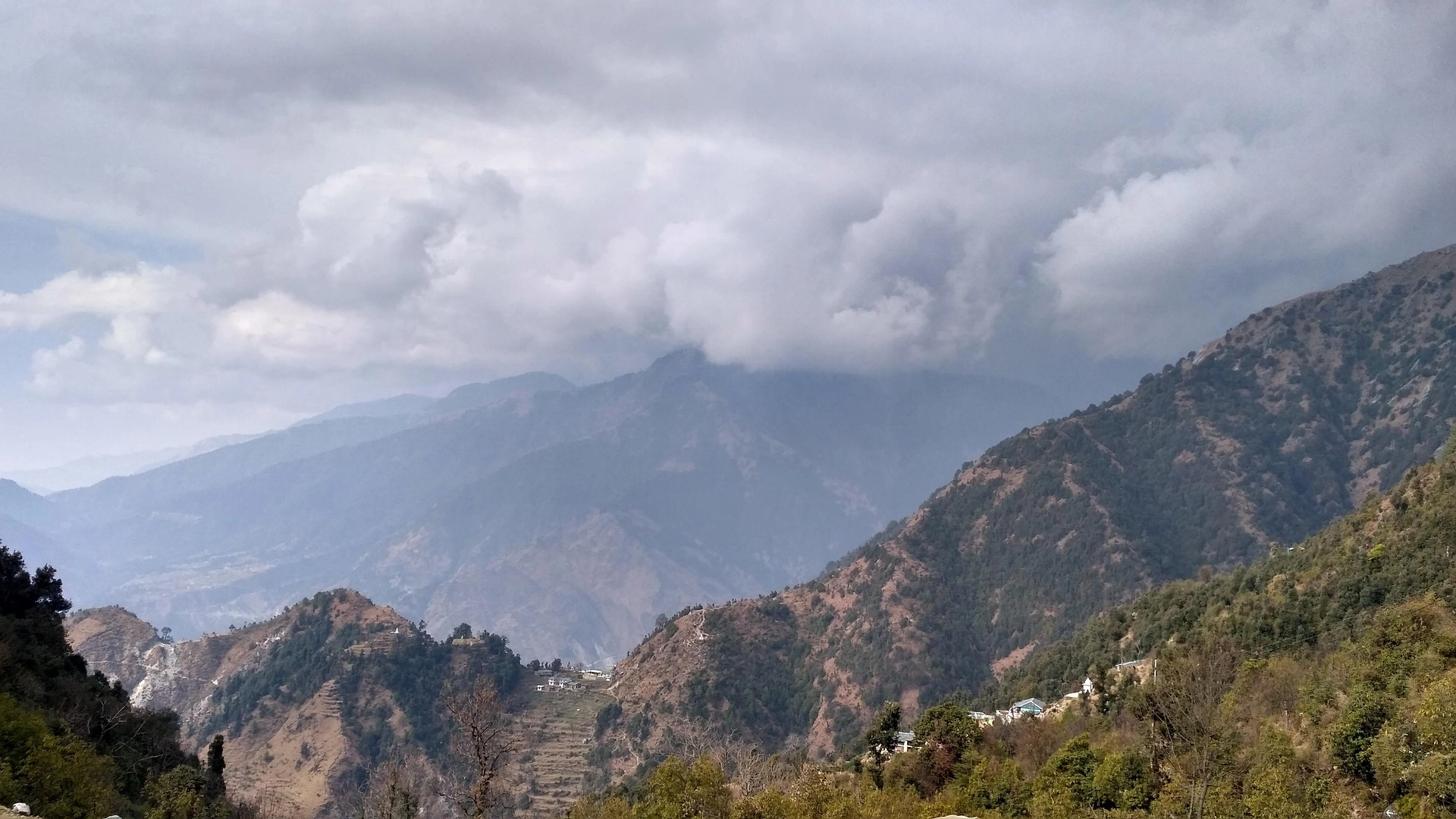
Expedition Gallery


Related Packages

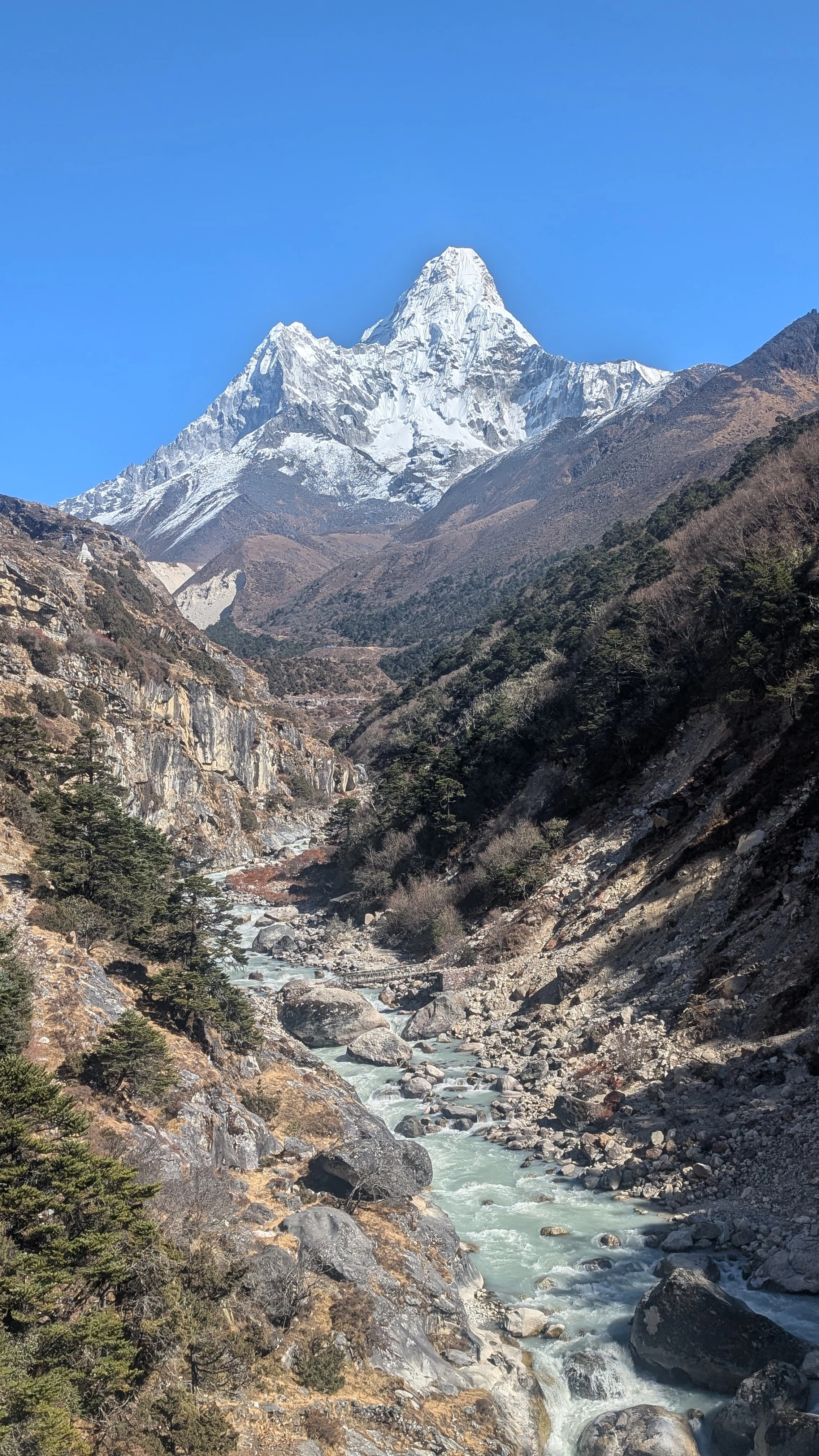

Ama Dablam Expedition 2027


Baruntse Expedition 2027
Kanchenjunga Expedition 2027
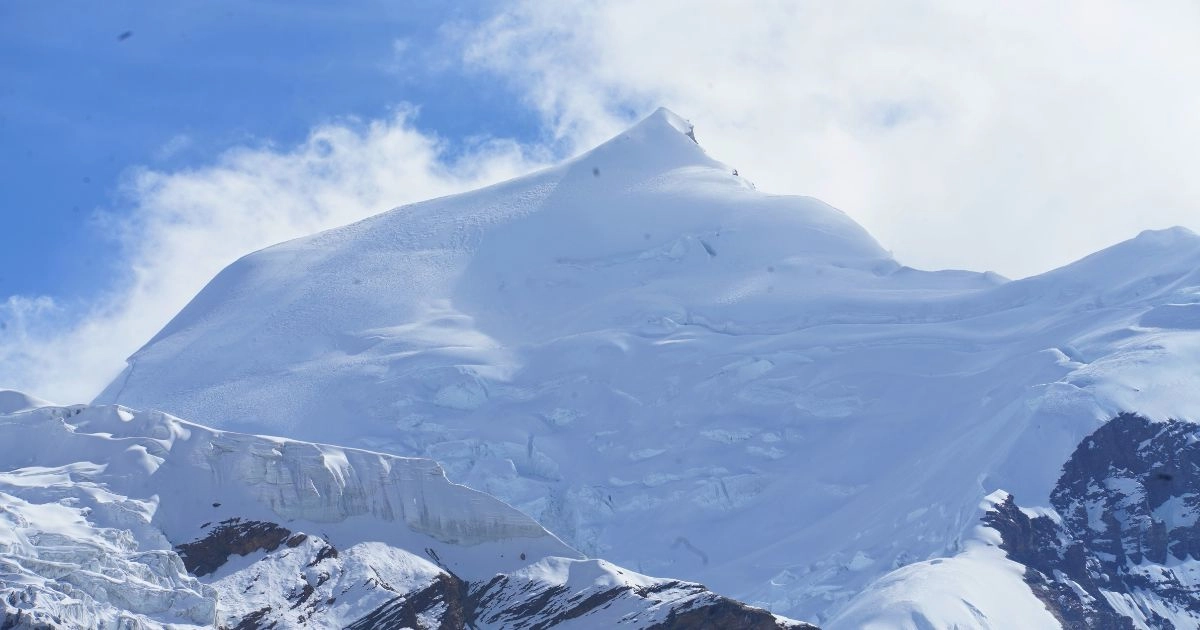
Himlung Himal Expedition 2027
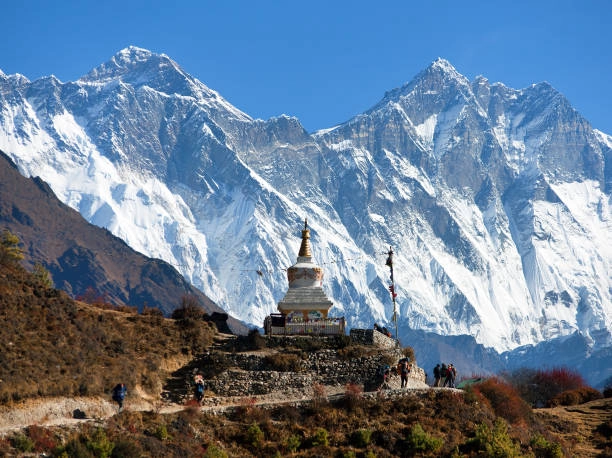
Lhotse Expedition 2027

Makalu Expedition 2027