Kanchenjunga Expedition 2027

Kanchenjunga Expedition: Climb the World's Third-Highest Mountain
Mount Kanchenjunga (8,586m) is not just another 8000m peak. It is a journey into one of the last untouched corners of the Himalaya. Located in far eastern Nepal, this remote giant offers a true expedition experience, far removed from the busier climbing routes of Everest. This is a mountain for seasoned climbers seeking isolation, raw wilderness, and a technically challenging ascent in a less commercialized environment.
Himalayan Karma Treks invites you to join our professional team on this incredible Kanchenjunga Expedition. For climbers who have already tested themselves on a 7,000m or 8,000m peak, Kanchenjunga is the ultimate next step. It is a serious undertaking that rewards those who are prepared with solitude, raw beauty, and a deep sense of achievement that few places on Earth can offer.
Why Climb Kanchenjunga with Himalayan Karma Treks?
Kanchenjunga is one of the most remote and demanding mountaineering journeys in the Himalaya. Its long approach, technical climbing, and isolated nature make it a true test of skill and endurance. With the right team, it is also one of the most rewarding experiences in mountaineering.
-
Expert Sherpa Support: Our climbing Sherpas are highly experienced on remote 8000m peaks. They manage high camps, fix ropes, and guide you through the most demanding sections of the route. Their experience in self-sufficient environments is critical to your safety and success.
-
Full Board Base Camp Services: Our Kanchenjunga Base Camp is your comfortable home in a remote wilderness. We provide spacious personal tents, a dining tent, a kitchen, toilet facilities, and 24-hour hot drinks. Solar panels keep your electronics charged, and satellite communication keeps you connected to the outside world.
-
Comprehensive Logistics: From Kanchenjunga permits and documentation to flights to Bhadrapur and ground transport, we handle the details. Our trekking approach through the Kanchenjunga Conservation Area is designed to maximize acclimatization before you reach Base Camp. For a full breakdown of what to bring, see our [Insert link to 8000m Gear List].
-
Well-Paced Acclimatization: The remote nature of this expedition demands careful acclimatization. Our itinerary includes key rest stops at villages like Tseram and a gradual ascent profile that prepares your body for the extreme altitude ahead.
-
Remote Expedition Experience: Unlike the busy routes on Everest, Kanchenjunga offers complete isolation. You will be part of a small team in a vast, wild landscape, far from the crowds and commercial pressures of more popular peaks.
The Approach: A Journey Through Eastern Nepal
Reaching Kanchenjunga Base Camp is an adventure in itself. The journey takes you through the Kanchenjunga Conservation Area, a remote and biodiverse region known for its lush landscapes, tea gardens, and diverse cultural communities.
-
The Journey Begins: The expedition starts in Kathmandu with preparations and permit formalities. You then fly to Bhadrapur and drive through the scenic eastern hills toward Ilam and Jorpul, the trailhead.
-
The Trek: Over several days, you trek through traditional villages such as Khebang and Yamphudin, where you experience authentic rural life and hospitality. The trail passes through dense forests, river crossings, and steep climbs toward Torongdin and Tseram.
-
Acclimatization: A key acclimatization stop is Tseram, where climbers rest and prepare for higher elevations. From here, the trail enters alpine terrain, moving toward Ramche and then into full camping conditions as you approach higher camps.
Accommodation during the trekking phase includes basic lodges and teahouses where available. Higher sections and the expedition phase are fully supported with tented camping. Due to the remoteness, facilities are more limited compared to Everest, making preparation and adaptability important.
The Climbing Route: Technical and Isolated
The standard route on Kanchenjunga is a serious undertaking. It involves steep snow and ice sections, exposed ridges, and high-altitude endurance. This is not a mountain to be underestimated.
-
Technical Difficulty: Kanchenjunga is significantly more technical and isolated than Everest. You will encounter steep snow and ice, rock sections, and exposed ridges at high altitude. Proficiency in alpine climbing techniques and glacier travel is mandatory.
-
Objective Hazards: The route has sections exposed to wind, avalanche risk, and rapidly changing weather. Our team monitors conditions closely and makes decisions with safety as the top priority.
-
The High Camps: The expedition establishes a series of camps above Base Camp to support acclimatization and the summit push. Your climbing Sherpa will set up these camps, prepare food, and manage your oxygen supply.
-
Self-Sufficiency: The isolation of Kanchenjunga means you and your team must be self-sufficient. There are no crowds to rely on and no easy retreats. This is what makes a successful Kanchenjunga summit so meaningful.
The summit push is carefully timed based on weather conditions. Reaching the top of Kanchenjunga is a rare achievement, offering a profound sense of accomplishment in one of the least crowded 8000-meter peaks.
Best Seasons for the Kanchenjunga Expedition
The optimal climbing season for Kanchenjunga is spring (April to May) . During this window, weather conditions are relatively stable and suitable for summit attempts.
Autumn (September to October) is also possible but less commonly chosen due to colder conditions and shorter weather windows. The mountain is significantly quieter in autumn, but the margin for error is smaller.
Kanchenjunga Expedition Cost and Inclusions
The Kanchenjunga Expedition cost is comprehensive and designed to give you the best chance of success in a remote environment. Please [Insert link to Contact Page] for a detailed quote based on your group size and requirements.
What's Typically Included:
-
Kanchenjunga climbing permit and Kanchenjunga Conservation Area permit
-
Government Liaison Officer
-
Full board Base Camp services (tents, food, communication)
-
1:1 personal climbing Sherpa guide
-
High-altitude oxygen and mask/regulator set
-
All high camp equipment and food
-
Kathmandu hotel accommodation and airport transfers
-
Flights to Bhadrapur and ground transportation to the trailhead
What's Typically Not Included:
-
International airfare and Nepal visa fees
-
Personal climbing gear and medical kit
-
Summit bonus for your Sherpa
-
Tips for Base Camp staff
-
Emergency rescue and evacuation insurance (mandatory)
Kanchenjunga Expedition FAQs
What experience do I need for Kanchenjunga?
The Kanchenjunga Expedition is suitable only for highly experienced climbers with prior high-altitude experience above 6,500 meters. Strong physical conditioning, technical mountaineering skills, and mental resilience are essential due to the remote nature of the region.
How long is the Kanchenjunga Expedition?
The expedition typically takes approximately 7 to 8 weeks, including the long trek to Base Camp, acclimatization rotations, the summit push, and the return journey. The extended duration reflects the remote approach and the need for proper acclimatization.
Is Kanchenjunga more difficult than Everest?
Yes, in terms of isolation and self-sufficiency. While the technical difficulty is comparable to other 8000m peaks, Kanchenjunga's remote location means there is less infrastructure, fewer other teams, and a greater need for self-reliance. The long approach also adds to the physical and mental demands.
What is the best season to climb Kanchenjunga?
Spring (April to May) is the best season for Kanchenjunga expeditions. Autumn (September to October) is possible but colder and less predictable.
What is the accommodation like during the trek?
During the trekking phase, you will stay in basic lodges and teahouses where available. Higher sections and the expedition phase are fully supported with tented camping. Due to the remoteness, facilities are more limited compared to Everest, making preparation and adaptability important.
Why climb Kanchenjunga instead of Everest?
Kanchenjunga offers a remote, less-crowded, and more isolated experience. It is a true Himalayan challenge into one of the last untouched corners of the Himalaya. It rewards climbers with solitude, raw beauty, rich biodiversity, and the unmatched satisfaction of standing atop the world's third-highest mountain.
What are the altitude risks on Kanchenjunga?
Altitude-related risks are significant on Kanchenjunga, and proper acclimatization is critical. Himalayan Karma Treks ensures a well-paced itinerary, experienced guides, and essential medical support throughout the expedition. Comprehensive travel and evacuation insurance is mandatory.
Fixed Departure Dates
Early booking recommended due to limited seats.
Itinerary
-
Day 1 : Arrival in Kathmandu and transfer to hotel.
You are welcomed upon arrival and transferred to your hotel. The rest of the day is free to rest or explore the city.
-
Day 2,3 : Preparation days in Kathmandu.
These days are dedicated to expedition briefings, gear checks, last-minute shopping, and completing permit formalities.
-
Day 4 : Fly to Bhadrapur and drive to Ilam Bazaar.
A scenic flight followed by a drive through tea-growing hills brings you to Ilam, known for its peaceful landscapes.
-
Day 5 : Drive to Jorpul via Phidim.
A long but scenic drive through rural eastern Nepal, offering views of hills, rivers, and local settlements.
-
Day 6 : Trek to Khebang
The trek begins with gradual ascents through villages and forested trails.
-
Day 7 : Trek to Yamphudin
A longer trekking day with varied terrain, leading to a culturally rich village.
-
Day 8 : Trek to Torongdin
A demanding day with steep climbs and remote trails as you gain significant altitude.
-
Day 9 : Trek to Tseram
The trail becomes more alpine as you approach higher elevations.
-
Day 10 : Acclimatization day in Tseram.
A rest day to help your body adjust to altitude, with short hikes around the area.
-
Day 11 : Trek to Ramche
Transition into higher altitude with more rugged terrain and colder conditions.
-
Day 12 : Trek to Middle Camp
Camping begins as you move deeper into the expedition zone.
-
Day 13 : Trek to Kanchenjunga Base Camp and establish Advanced Base Camp.
You reach Base Camp and begin preparations for the climbing phase.
-
Day 14-46 : Climbing period and summit attempt of Kanchenjunga
This period includes acclimatization rotations, establishing higher camps, and a summit push based on weather conditions.
-
Day 47 : Preparation for return and Base Camp cleanup.
The team prepares to leave Base Camp and ensures proper environmental practices.
-
Day 48 : Trek to Ramche.
Begin descent toward lower elevations.
-
Day 49 : Trek to Torongdin.
Continue descending through familiar terrain.
-
Day 50 : Trek to Yamphudin.
Return to greener landscapes and village environments.
-
Day 51 : Drive to Jorpul via Khebang.
A long drive marking the end of the trekking phase.
-
Day 52 : Drive to Birtamod, Jhapa.
Travel toward the plains, transitioning out of the mountains.
-
Day 53 : Fly or drive back to Kathmandu.
Return to the capital and transfer to your hotel.
-
Day 54 : Leisure day and farewell dinner.
Free time for relaxation or shopping, followed by a celebration dinner.
-
Day 55 : Final departure.
Transfer to the airport for your onward journey.
Cost Inclusion
- Arrival and departure services with Himalayan Karma's assistance.
- 5 Nights Hotel accommodations in Kathmandu on BB Plan as per itinerary.
- 1:1 experienced private climbing Sherpa for climbing Kanchenjunga (Previous Summiteer).
- Flight Ticket from Kathmandu- Bhadrapur-Kathmandu for group and member.
- Complete and well-furnished camping facilities at Advanced Manaslu Base Camp.
- Toilet and shower tents in the camping, with each member's box tent.
- Three meals a day (BLD tea/coffee) and tea-house /lodge accommodation during the trek.
- Freshly cooked 3 meals daily (BLD tea/coffee) by professional cook in ABC.
- 50kg: 40kg per person individual baggage allowance for trekking up and down to ABC.
- Kanchenjunga National Park entry fee and trekking period.
- Expedition royalty and climbing permit for climbing Mt. Kanchenjunga.
- Wages, equipment, medical, and accidental Insurance for Sherpa guide and other staffs.
- Fully paid government-appointed Liaison Officer for the expedition team.
- Required high-altitude food for CI, CII, CIII, and CIV to the climbing member & support Sherpa.
- Rope and route fixing charges to the fixing team and organization.
- 5 Oxygen bottles (4L) -2 for Members and 1 for Sherpa with mask & regulator sets.
- Emergency oxygen mask and regulator for emergency medical use at Base Camp.
- Sharing dome tents for camp I, II, III, and IV between the member and the Sherpa.
- All wages, equipment, medical, and accidental Insurances for the Sherpa & involved staffs.
- Gas heater in the dining, solar panel, and petrol generator for light and charging your devices.
- Satellite phone for emergency communication with the cost of US$ 5 per minute call at ABC.
- First aid medical kits for the group and staffs at the advance base camp.
- Our service charge and government taxes, levied in Nepal.
- Necessary assistance for individual travel arrangements where required.
- Farewell dinner in Kathmandu With Himalayan Karma Team
- Complimentary duffel bag from Himalayan Karma Treks for storing and carrying your trekking gear
Cost Exclusion
- Lunch and Dinner during your stay in Kathmandu (except farewell dinner).
- Laundry, communication expenses, and Internet uses.
- Clothing, packing items or bags, personal medical kit, camera/video fees, and trekking gear.
- Any extra expenses arising out of various/unforeseen situations
- Any additional staff other than those specified in the package.
- Rescue, repatriation, medicines, medical tests, and hospitalization expenses for members.
- Summit bonus to your private Sherpa guide for the summit push (Minimum US$ 1500.00)
- Insurance policy for medical treatment and helicopter search and rescue for members.
- Permits for walkie-talkie & filming, skying, paragliding etc.
- Defined and listed personal trekking and climbing gear for the member.
- Tips to Base Camp Staffs is mandatory; a minimum of US$ 250 per member for the kitchen team.
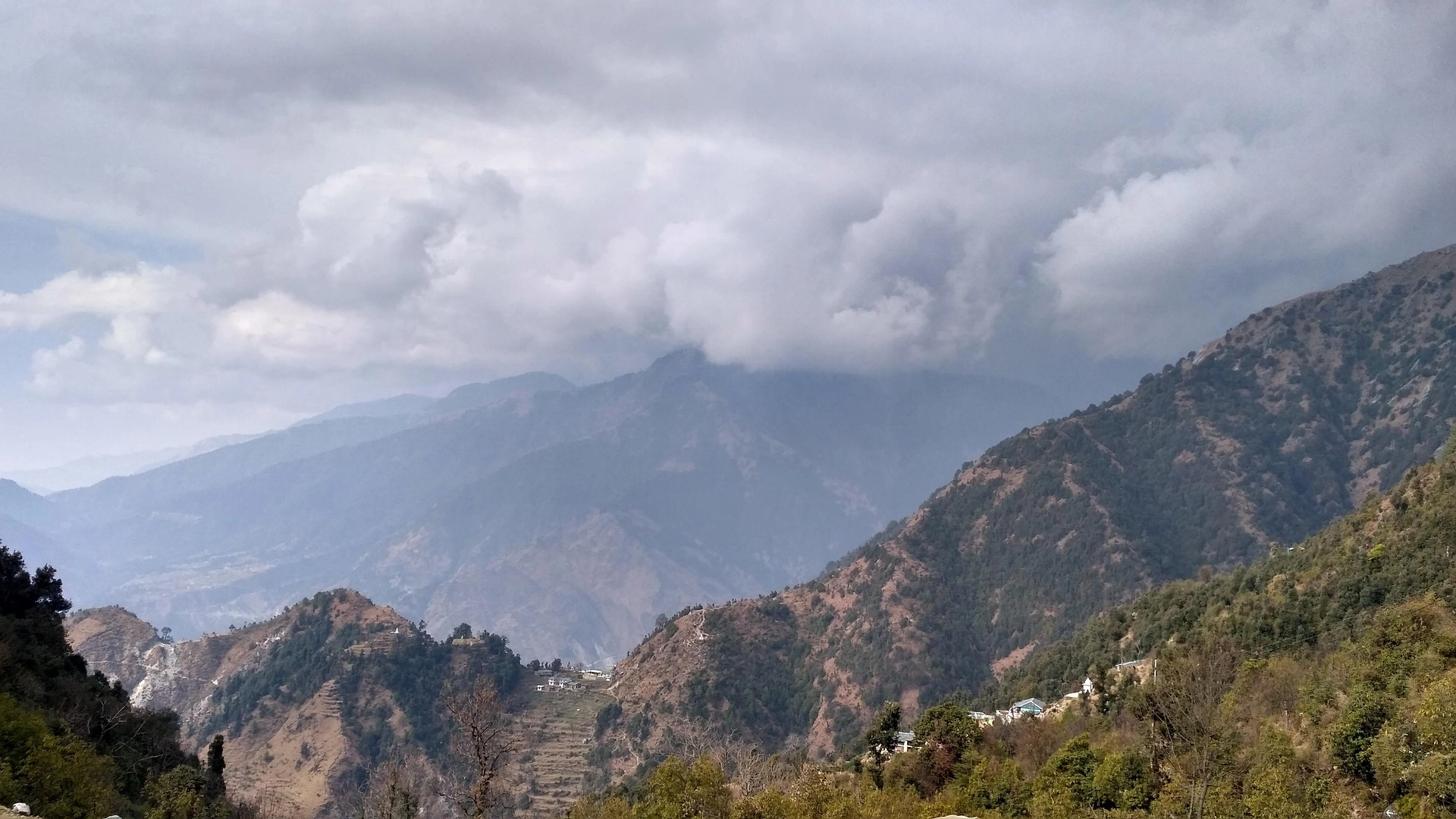
Expedition Gallery


Related Packages

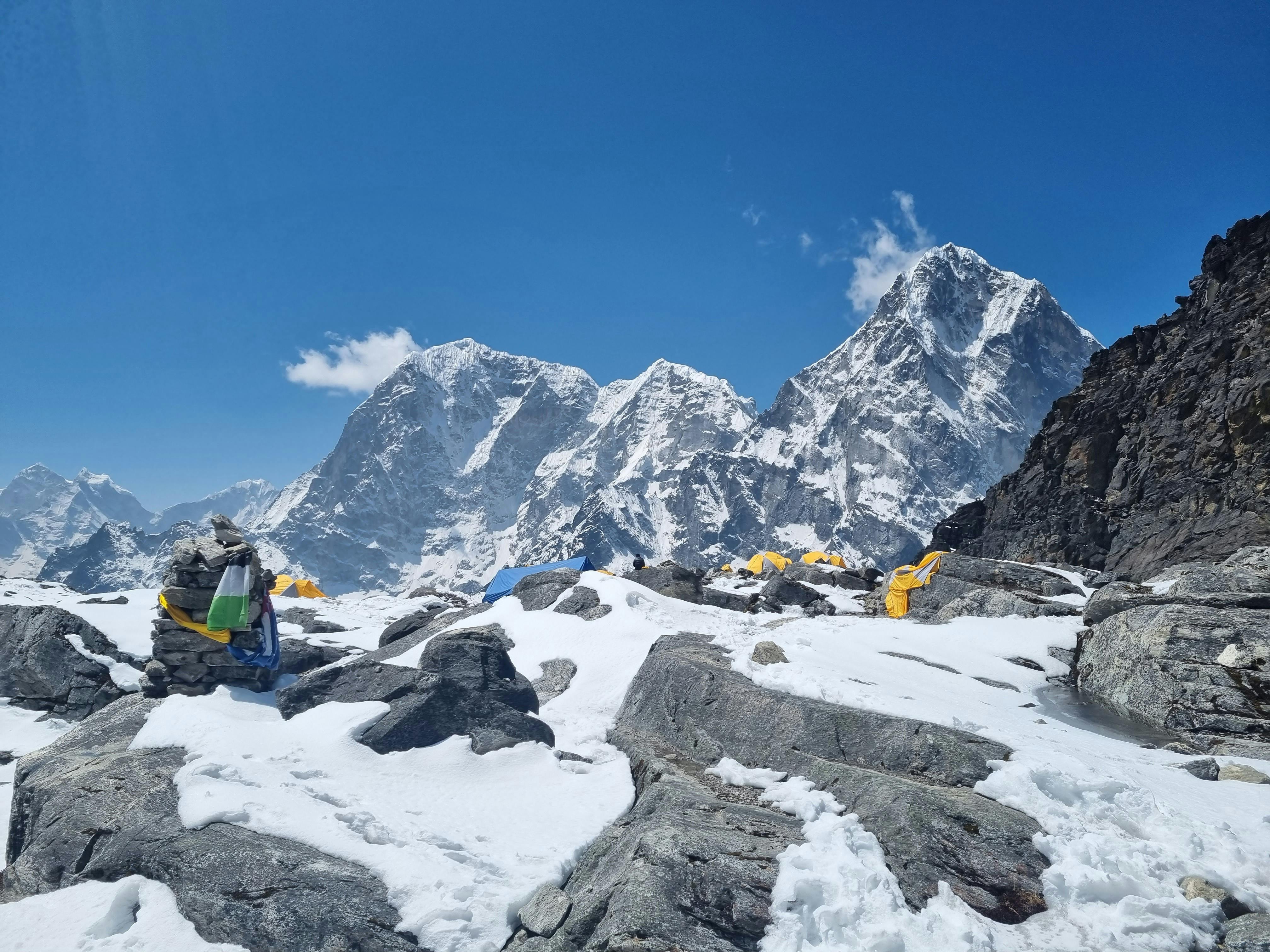

Everest Expedition 2027


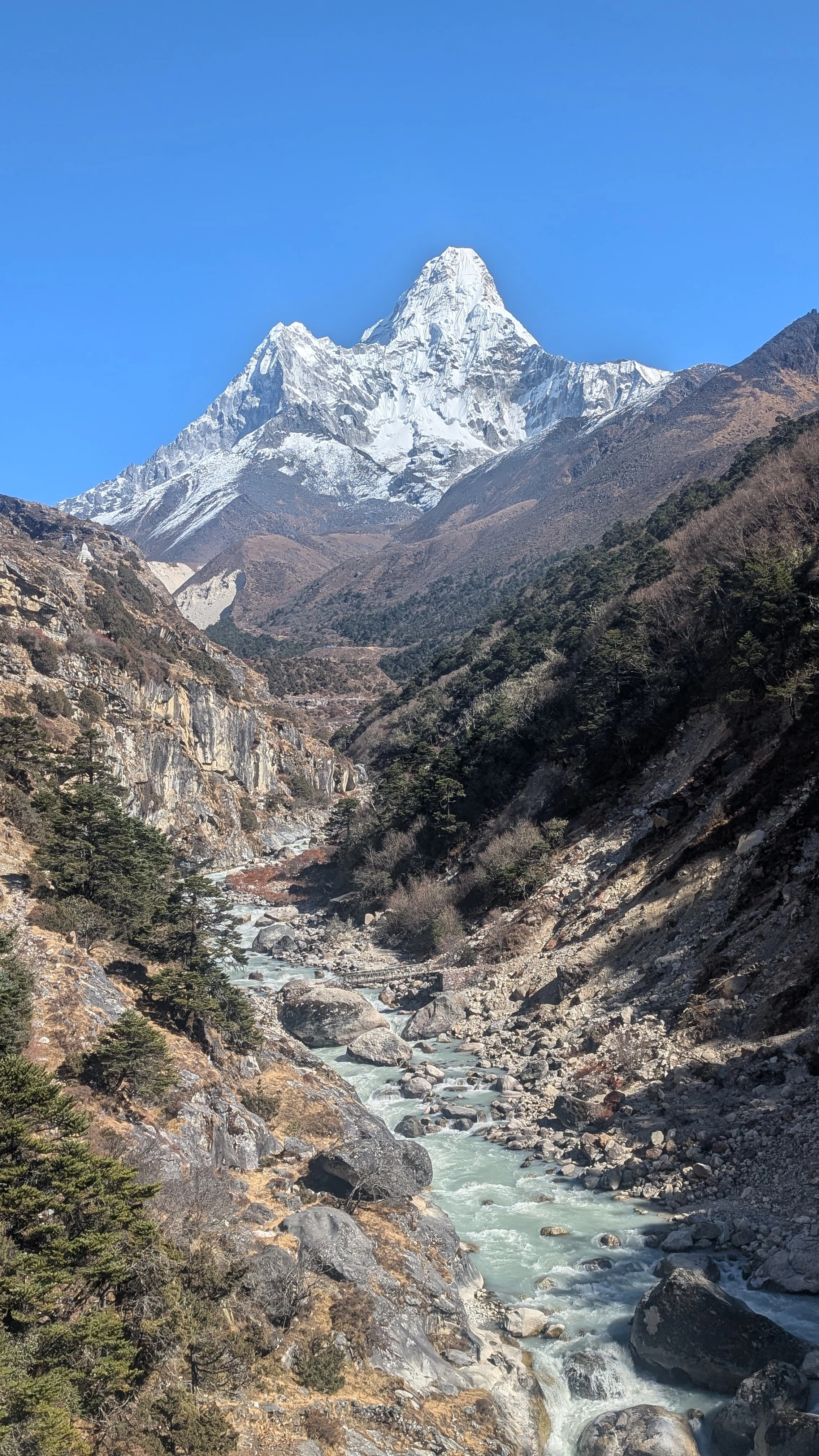
Ama Dablam Expedition 2027
Baruntse Expedition 2027
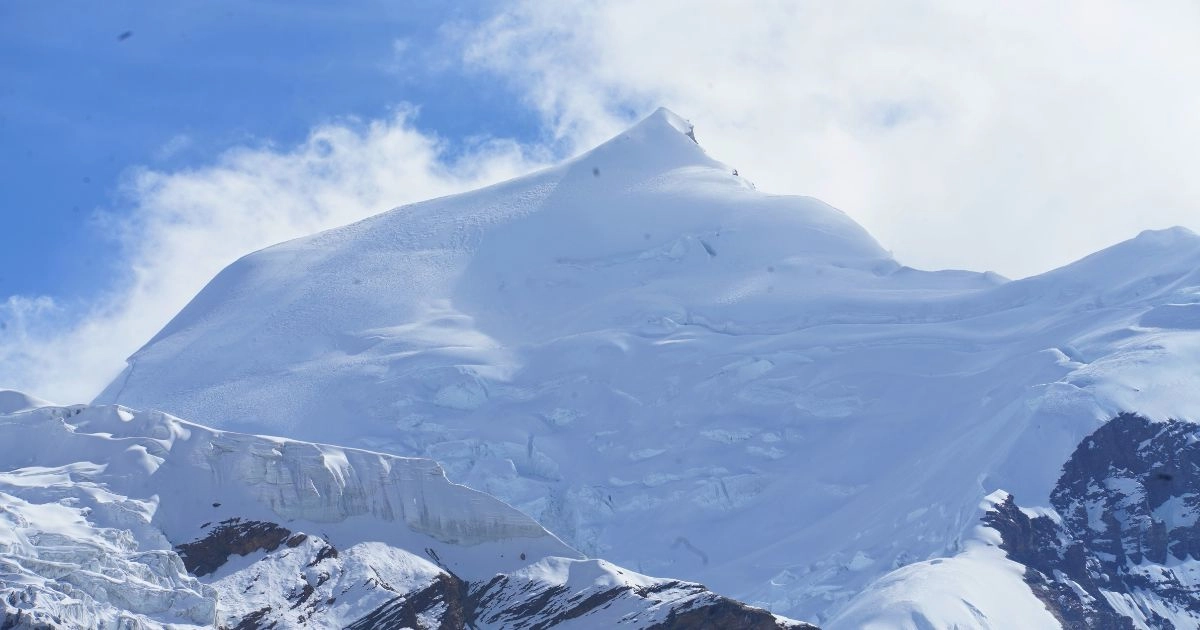
Himlung Himal Expedition 2027
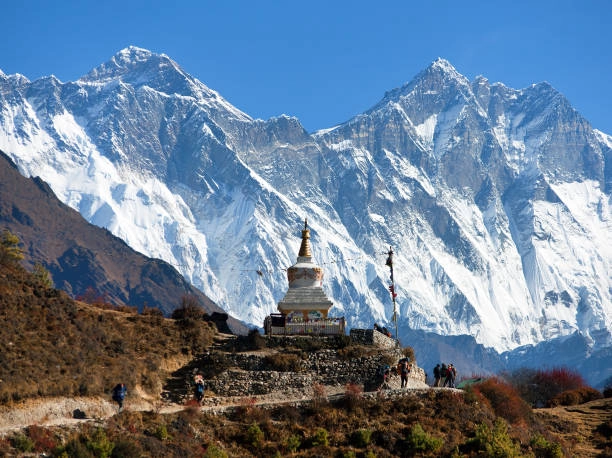
Lhotse Expedition 2027

Makalu Expedition 2027