Lhotse Expedition 2027
Lhotse Expedition: Climb the World's Fourth-Highest Peak
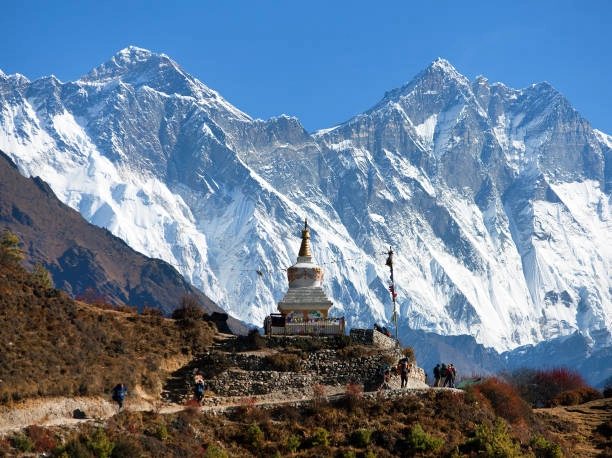
Mount Lhotse (8,516m) is the silent giant of the Everest massif. It shares the same Base Camp as Everest and a significant portion of its climbing route, yet it remains a distinct and formidable challenge. Known as the "South Peak," Lhotse offers climbers a unique opportunity to stand on an 8000m summit with fewer crowds and a route that is both accessible and demanding.
Himalayan Karma Treks invites you to join our professional team on this incredible Lhotse Expedition. For climbers who have already tested themselves on a 7,000m or 8,000m peak, Lhotse is the perfect next step. It is a serious undertaking that rewards those who are prepared with extraordinary views and the unmatched satisfaction of reaching the world's fourth-highest summit.
Why Climb Lhotse with Himalayan Karma Treks?
Lhotse is often overshadowed by its famous neighbor, but it is a worthy objective in its own right. The standard route shares the famous Khumbu Icefall and the Lhotse Face with Everest, but the summit is yours alone.
-
Expert Sherpa Support: Our climbing Sherpas are highly experienced on the Everest massif and know the Lhotse route intimately. They manage high camps, fix ropes, and guide you through the most demanding sections, including the Khumbu Icefall and the Lhotse Face.
-
Full Board Base Camp Services: Our Lhotse Base Camp is shared with Everest and is a bustling, well-equipped hub. We provide spacious personal tents, a dining tent, a kitchen, toilet facilities, and portable showers. Solar panels keep your electronics charged, and satellite communication keeps you connected.
-
Comprehensive Logistics: From Lhotse permits and documentation to flights to Lukla and ground transport, we handle the details. Our trekking approach through the Khumbu region is designed to maximize acclimatization before you reach Base Camp. For a full breakdown of what to bring, see our [Insert link to 8000m Gear List].
-
Intermediate Camp 2 Services: For our full-board clients, we provide a dedicated cook and intermediate facility at Camp 2 (6,750m) , including tents, a kitchen, a dining tent, and toilet facilities. This is a significant advantage for rest and recovery during acclimatization rotations.
The Approach: The Khumbu Highway to Base Camp
Reaching Lhotse Base Camp follows the classic Everest Base Camp trek route. This is a well-established trail that provides excellent acclimatization and a taste of Sherpa culture.
-
The Journey Begins: The expedition starts with a flight to Lukla and an 8-day trek through the Khumbu region.
-
The Trail: You will pass through Namche Bazaar (3,440m) , Tengboche (3,860m) , Pheriche (4,371m) , and Lobuche (4,940m) before arriving at Base Camp.
-
Acclimatization: This gradual ascent is vital for preparing your body for the extreme altitude ahead. The trek also allows you to adapt to the remote conditions you will experience on the mountain.
Accommodation during the trekking approach includes teahouses and lodges in the lower villages.
The Climbing Route: South Col and Northwest Couloir
The standard commercial route on Lhotse is via the Everest South Col and the Northwest Couloir. The route shares the famous Khumbu Icefall and Lhotse Face with Everest before branching off to the summit.
The Khumbu Icefall
This is the most dangerous section of the climb. It is a constantly moving glacier with deep crevasses and unstable ice towers (seracs). Our experienced Sherpa team sets up ladders and fixed ropes through this maze. We cross the icefall during the cool, stable early morning hours to minimize risk.
The High Camps
The expedition establishes a series of camps above Base Camp to support acclimatization and the summit push.
-
Camp 1 (6,065m): Located at the top of the Icefall, this is a desolate and exposed camp used for rest and transition.
-
Camp 2 (6,750m): Positioned in a safe, sheltered location at the base of the Lhotse Wall, this becomes our main climbing camp and acclimatization hub. For full-board clients, we provide an intermediate facility with a cook, dining tent, and toilet.
-
Camp 3 (7,100m): A small ledge on the Lhotse Wall, reached via a 600m climb on fixed ropes. This is the first camp where most climbers begin using supplementary oxygen.
-
Camp 4 (7,920m): Located near the South Col, this is the final camp before the summit push. It is a harsh, wind-battered place, but it gives climbers the best chance for a final rest before the long summit day.
The Final Summit Push
From Camp 4, the route enters a 500m couloir at about 40 degrees, with a mix of packed snow, ice, and some rock. This is a sustained and demanding final section. Your Sherpa guide will be with you every step of the way, managing the pace and ensuring you use your oxygen system correctly. The summit offers unparalleled views of Everest, Makalu, and the Tibetan plateau.
Best Seasons for the Lhotse Expedition
The optimal climbing season for Lhotse is spring (April to May) . During this window, weather conditions are generally more stable, with warmer temperatures and longer periods of clear skies. This is the best time for summit attempts.
Autumn (September to October) is also possible, but colder temperatures and shorter weather windows make it less preferred. The mountain is significantly quieter in autumn, but the margin for error is smaller.
Lhotse Expedition Cost and Inclusions
The Lhotse Expedition cost is comprehensive and designed to give you the best chance of success. Please contact via email for a detailed quote based on your group size and requirements.
What's Typically Included:
-
Lhotse climbing permit and Sagarmatha National Park permit
-
Government Liaison Officer
-
Full board Base Camp services (tents, food, communication)
-
1:1 personal climbing Sherpa guide
-
High-altitude oxygen and mask/regulator set
-
All high camp equipment and food
-
Intermediate Camp 2 services (cook, dining tent, toilet)
-
Kathmandu hotel accommodation and airport transfers
-
Flights to Lukla and ground transportation to the trailhead
What's Typically Not Included:
-
International airfare and Nepal visa fees
-
Personal climbing gear and medical kit
-
Summit bonus for your Sherpa
-
Tips for Base Camp staff
-
Emergency rescue and evacuation insurance (mandatory)
Lhotse Expedition FAQs
What experience do I need for Lhotse?
You should have prior experience climbing a 7,000m or 8,000m peak. You must be proficient in using an ice axe, crampons, and fixed ropes. Excellent physical fitness and cardiovascular health are mandatory.
How long is the Lhotse Expedition?
The expedition typically takes approximately 6 to 7 weeks, including the trek to Base Camp, acclimatization rotations, the summit push, and the return journey.
Is Lhotse more difficult than Everest?
The standard route on Lhotse is similar in difficulty to Everest, sharing the Khumbu Icefall and Lhotse Face. The final couloir to the summit is steeper and more sustained than the final push on Everest. It is a serious 8000m climb.
What is the best season to climb Lhotse?
Spring (April to May) is the best season for Lhotse expeditions. Autumn (September to October) is possible but colder and less predictable.
Why climb Lhotse instead of Everest?
Lhotse offers a less-crowded, more isolated summit experience. It is a true Himalayan challenge that shares the same approach as Everest but culminates in a more technical and solitary summit. It rewards climbers with extraordinary mountain scenery and the unmatched satisfaction of standing atop the world's fourth-highest mountain.
What is the Lhotse Face?
The Lhotse Face is a 1,125m wall of glacial blue ice that rises at 40 to 50-degree pitches, with occasional 80-degree bulges. It is a defining feature of the route and a significant physical challenge. Two rocky sections, the Yellow Band and the Geneva Spur, interrupt the icy ascent.
Fixed Departure Dates
Early booking recommended due to limited seats.
Itinerary
-
Day 1 : Arrival in Kathmandu and Transfer to hotel.
You will be welcomed at the airport and transferred to your hotel, with time to rest or explore the city.
-
Day 2,3 : Preparation, briefings, shopping and formalities for a permit.
These days are dedicated to expedition briefings, gear checks, last-minute shopping, and completing all official climbing permits.
-
Day 4 : Fly to Lukla and Trek to Phakdin
A scenic mountain flight brings you to Lukla, followed by a gentle trek along the Dudh Koshi River to Phakding.
-
Day 5 : Trek to Namche Bazaar
Crossing suspension bridges and ascending through pine forests, you reach the vibrant Sherpa capital of Namche.
-
Day 6 : Rest & acclimatization; hike to Everest View Hotel
A short hike aids acclimatization while offering panoramic views of Everest and surrounding peaks.
-
Day 7 : Trek to Tyangboche
A scenic trail leads to Tengboche, home to a famous monastery with stunning mountain views.
-
Day 8 : Trek to Dingboche
The trail gradually climbs into alpine terrain with open valleys and spectacular scenery.
-
Day 9 : Trek to Lobuche
A crucial day for altitude adaptation with optional short hikes.
-
Day 10 : Rest for acclimatization at Lobuche.
A crucial day for altitude adaptation with optional short hikes.
-
Day 11 : Trek to Gorakshep
A short but high-altitude trek to the last settlement before Base Camp.
-
Day 12 : Trek to Everest Base camp
Reach Base Camp and begin preparations for the climbing phase with full camping setup.
-
Day 13-56 : Climbing period Summit Lhotse
This phase includes acclimatization rotations through the Khumbu Icefall, Camp I, Camp II, and ascent of the Lhotse Face. The final summit push involves steep ice sections and a narrow summit couloir. Full camping support is provided throughout.
-
Day 57 : Down trek to Gorakshep.
After the summit, begin descent and transition back to trekking conditions with overnight lodge stay.
-
Day 58 : Trek via Lobuche to Dingboche.
Continue descending through familiar terrain, allowing the body to recover from high altitude.
-
Day 59 : Trek to Tyangboche.
Descend through alpine landscapes back to the monastery region.
-
Day 60 : Trek to Namche Bazaar
Return to Namche, enjoying thicker air and comfortable surroundings.
-
Day 61 : Trek to Lukla.
Final trekking day following the Dudh Koshi River back to Lukla.
-
Day 62 : Fly from Lukla to Kathmandu; hotel transfer and debriefing.
Return flight to Kathmandu followed by rest and expedition debrief.
-
Day 63 : Contingency day and farewell dinner.
Reserved for flight delays or extra rest, with a celebration dinner in the evening.
-
Day 64 : Final departure
Transfer to the airport for your onward journey.
Cost Inclusion
- All arrival and departure transfers in Kathmandu.
- 4 nights of hotel accommodations in Kathmandu on BB Plan.
- Flight & transfers Kathmandu-Manthali-Lukla-Manthali-Kathmandu.
- Mt. Lhotse expedition permit (Royalty: Autumn/Spring for member).
- Government official Liaison Officer for Lhotse Expedition.
- Khumbu village & Sagarmatha National Park entry permit & TIMS card.
- All camping equipment in Advance Base Camp and other camps.
- Food, accommodation and guide during trekking in teahouse/lodge.
- Food during the expedition period cooked by our experienced cook. EBC and C2.
- 1:1 experienced private climbing Sherpa guide for climbing support.
- 4 Oxygen (4 Ltrs.) bottles for climbing members and 2 for Sherpa.
- Mask & regulators 1-set for climbing member and Sherpa.
- Gamow bag at EBC for emergency rescue purposes.
- Baggage allowance carrying by Yaks/porters up and down to EBC: 50 kg.
- Required high-altitude food for climbing members and Sherpa for C1, C3 & C4.
- Insurance, wages, meal and allowances for climbing Sherpa and BC staffs.
- Solar panels for light and battery charging in base camp.
- Icefall and rope fixing charges, tents at high camps EBC, C1, C2, C3 and C4.
- First Aid medical kits for the Group and the staffs.
- Walkie-talkies & satellite phone for communication (uses charge $ 5 per unit for Sat).
- Office service charges and government taxes levied in Nepal.
- Farewell dinner in Kathmandu With Himalayan Karma Team
- Complimentary duffel bag from Himalayan Karma Treks for storing and carrying your trekking gear
Cost Exclusion
- Nepal entry visa fee (valid for up to 90 days). Not applicable for Indian Residency
- International Flight Tickets.
- Personal climbing gears.
- Drone and Special Filming Permits.
- Lunch and Dinner during your stay in Kathmandu.
- Mandatory insurance with minimum US$1,00,000/- coverage for medical and helicopter rescue.
- Summit Bonus: US$1,600/- per climbing guide and US$350/- per member for Cook and Kitchen Staffs are paid in cash. Also, US$100/- per member for the porters. The Sherpa summit bonus is mandatory once the summit push begins, even if the climb is discontinued due to the client’s condition or any other reason.
- Any additional services not listed under the “Services Includes”.
Related Packages


Everest Expedition 2027


Ama Dablam Expedition 2027
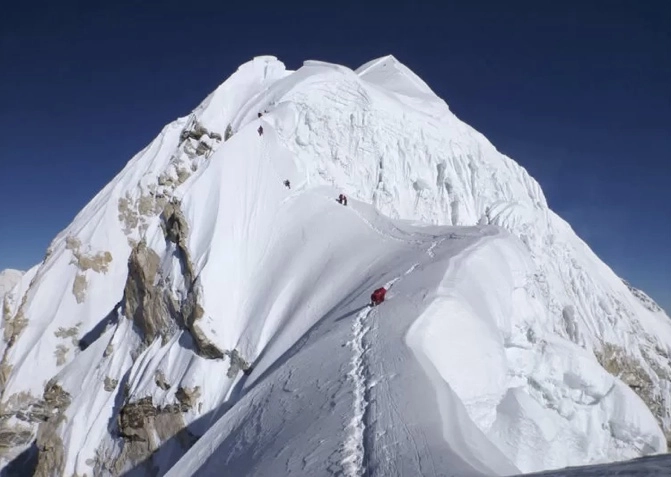
Baruntse Expedition 2027
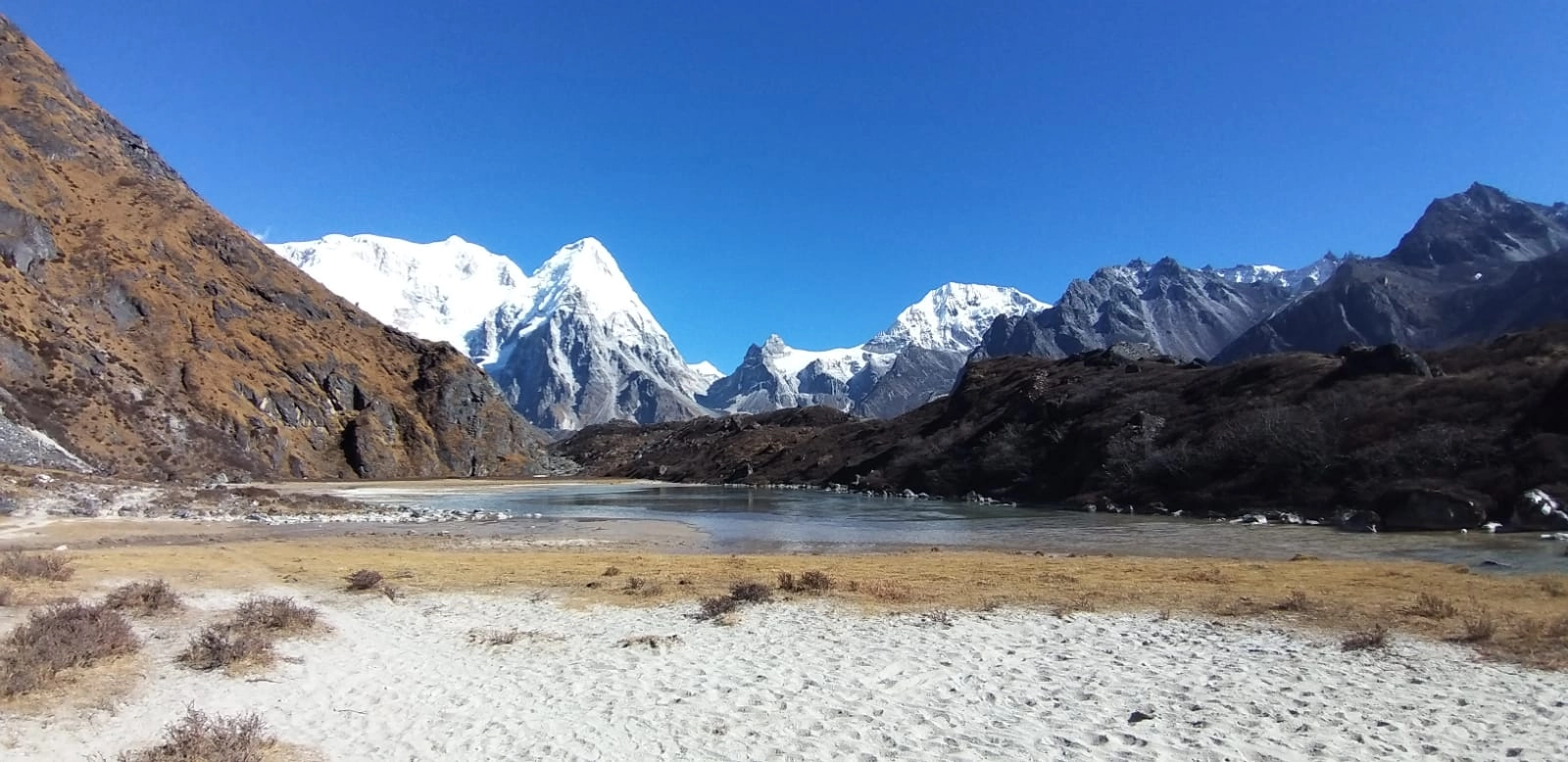
Kanchenjunga Expedition 2027
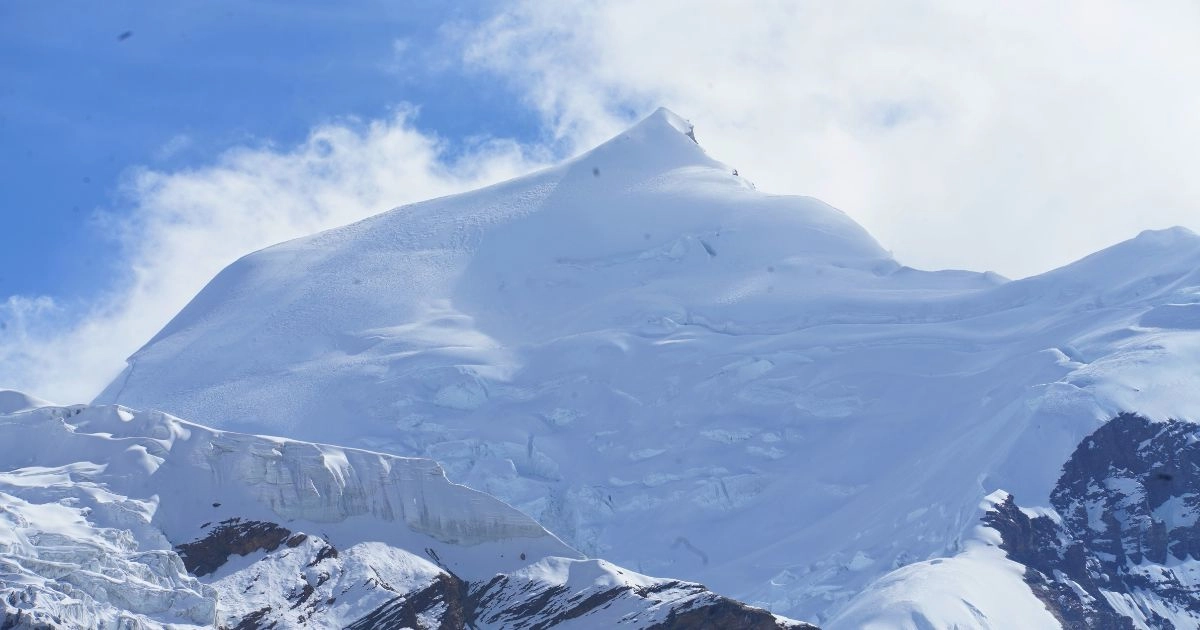
Himlung Himal Expedition 2027
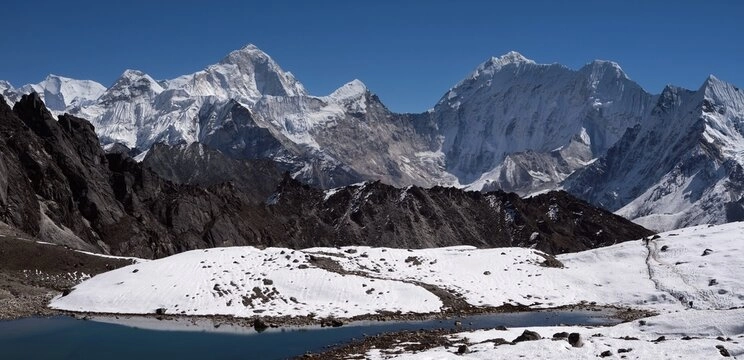
Makalu Expedition 2027