Mera Peak Climbing 2027
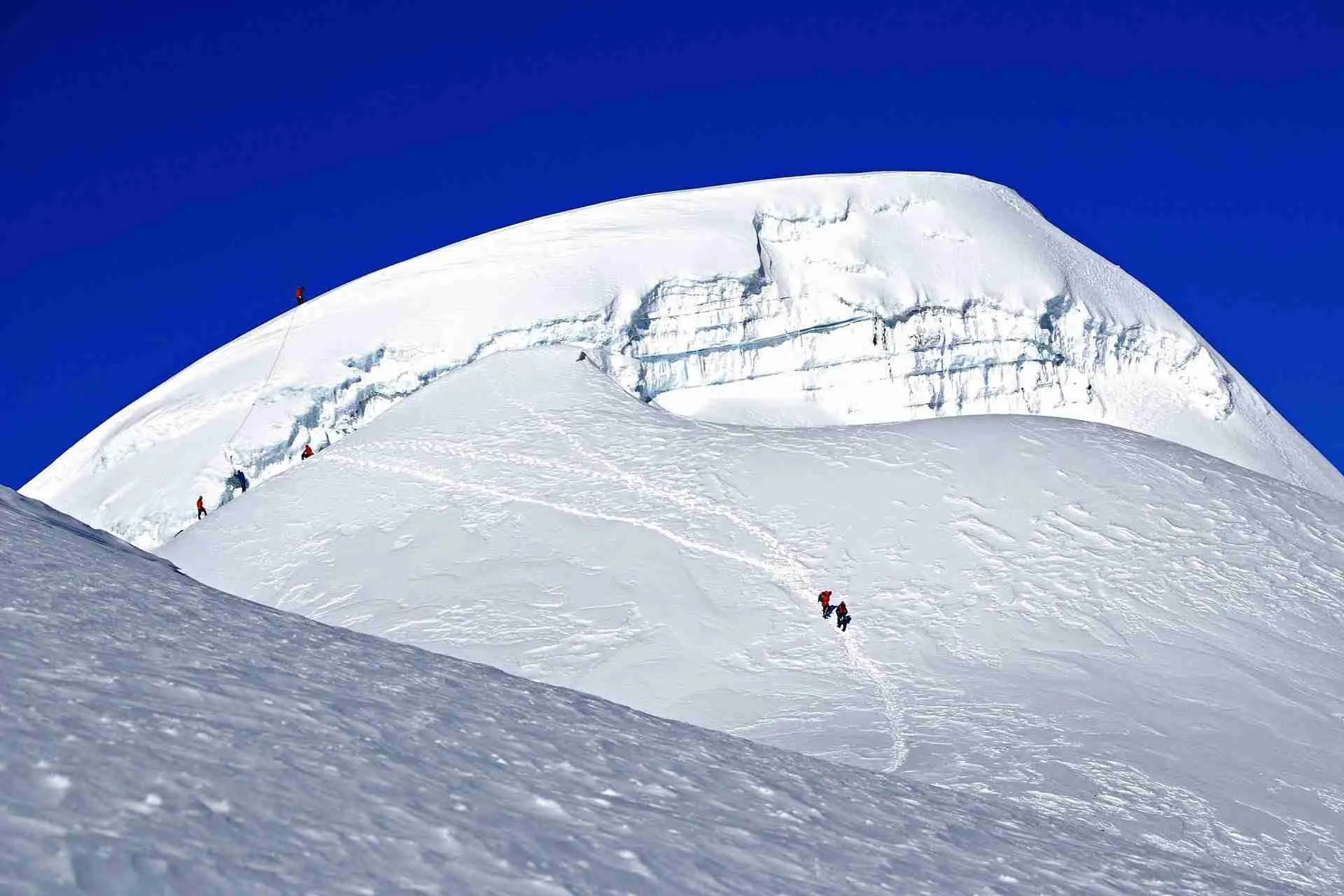
Mera Peak Climbing: Your Gateway to High-Altitude Mountaineering
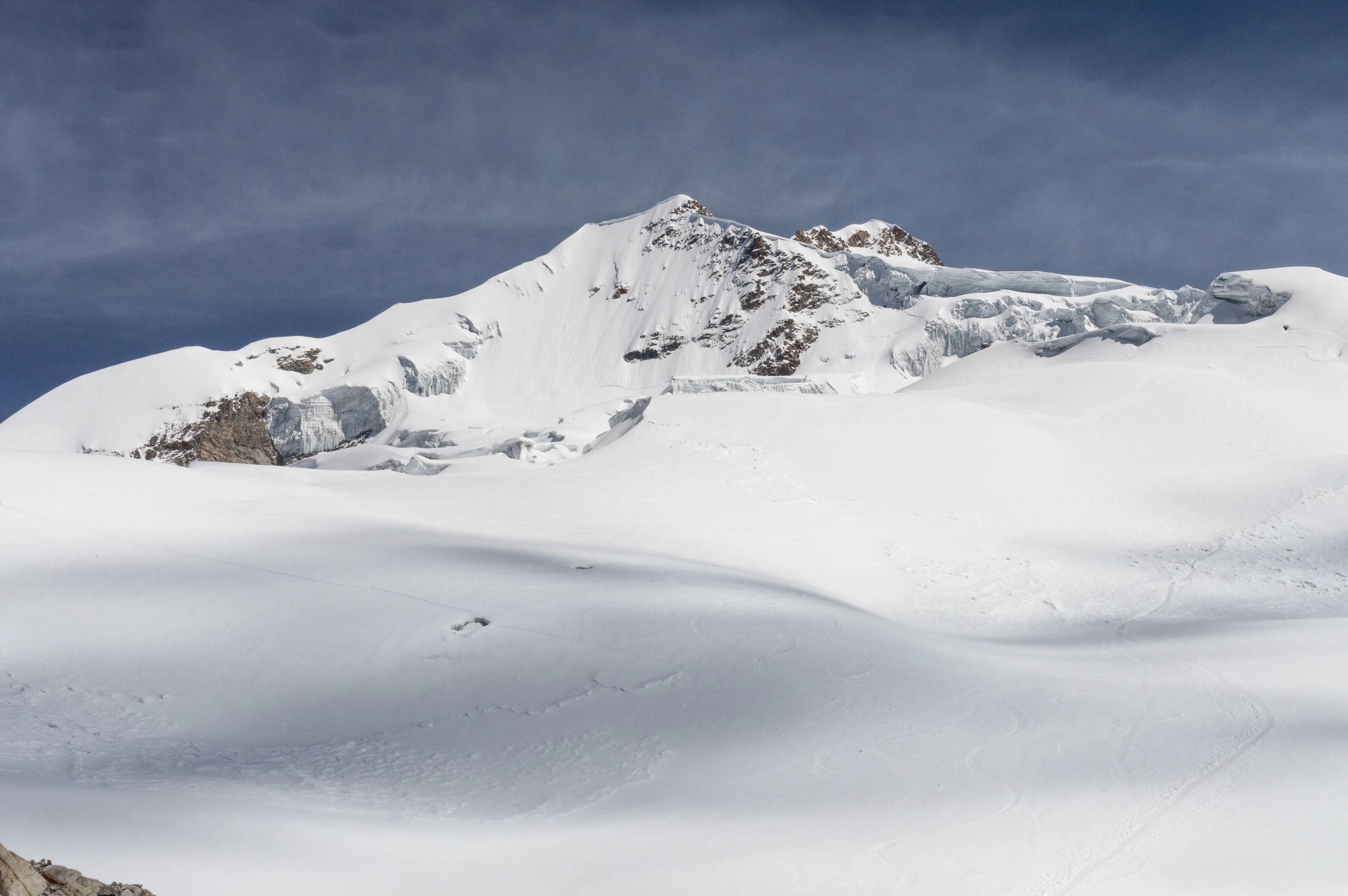
Mera Peak (6,476m) , standing proudly in the Khumbu region of eastern Nepal, is the highest trekking peak in Nepal and one of the most popular and accessible climbs for mountaineers looking to experience their first 6,000-meter summit. Unlike the technical challenges of Baruntse or the extreme altitude of Everest, Mera Peak offers a perfect balance of achievable altitude, stunning scenery, and manageable technical difficulty, making it the ideal choice for trekkers taking their first step into high-altitude mountaineering.
Himalayan Karma Treks invites you to join our professional team on this incredible journey. Located in the Hinku Valley, a remote and unspoiled region south of Everest, Mera Peak is surrounded by some of the world's highest mountains. From its summit, climbers are rewarded with panoramic views of five 8,000-meter peaks: Mount Everest (8,848m) , Kanchenjunga (8,586m) , Lhotse (8,516m) , Makalu (8,463m) , and Cho Oyu (8,188m) —a sight that rivals any mountain viewpoint on Earth.
Why Climb Mera Peak with Himalayan Karma Treks?
Mera Peak is widely regarded as the perfect training climb for climbers preparing for higher peaks like Baruntse, Island Peak, or even 8,000-meter expeditions. It provides invaluable experience in high-altitude camping, glacier travel, and fixed rope techniques—all at a more forgiving altitude.
-
Expert Sherpa Support: Our climbing Sherpas are experienced on 6000m peaks and know the Mera Peak route well. They manage high camps, fix ropes, and guide you through the glacier sections. Their support allows you to focus on acclimatizing and preparing for the summit.
-
Full Board Base Camp Services: Our Mera Peak Base Camp is your comfortable home in a remote valley. We provide spacious personal tents, a dining tent, a kitchen, toilet facilities, and 24-hour hot drinks. Solar panels keep your electronics charged, and satellite communication keeps you connected.
-
Comprehensive Logistics: From Mera Peak permits and documentation to flights to Lukla and ground transport, we handle the details. Our trekking approach through the Hinku Valley is designed to maximize acclimatization before you reach Base Camp. For a full breakdown of what to bring, see our [Insert link to 6000m Gear List].
-
Remote Hinku Valley: Unlike the crowded Everest Base Camp trail, the Hinku Valley offers uncrowded trails, authentic Sherpa and Rai culture, and pristine wilderness.
-
High Success Rate: Mera Peak has a high success rate (over 90%) compared to more technical peaks, making it an excellent choice for first-time high-altitude climbers.
The Route: Through the Hinku Valley to the Summit
The journey begins in Kathmandu with permit processing and gear preparation before a scenic flight to Lukla (2,860m) , the famous gateway to the Everest region. From Lukla, the trek avoids the crowded Everest Base Camp trail and instead heads east into the Hinku Valley, passing through lush rhododendron forests, remote Sherpa and Rai villages, and high-altitude pastures.
Mera La Pass
A unique feature of the Mera Peak climb is the crossing of the Mera La Pass (5,350m) , a spectacular high-altitude saddle that offers breathtaking views and serves as the gateway to the mountain's base camp.
The Climb: Non-Technical and Accessible
The climb itself follows a non-technical glacier route, with the main challenges being altitude, endurance, and basic snow travel skills. Basic competency with crampons and ice axe on moderate slopes (up to 30-40 degrees) is required, but no prior climbing experience is necessary.
The Summit: Five 8000m Peaks
From the summit of Mera Peak (6,476m) , you will be rewarded with panoramic views of five 8,000-meter peaks: Everest, Kanchenjunga, Lhotse, Makalu, and Cho Oyu. This is a sight that rivals any mountain viewpoint on Earth.
Optional Extension: Amphu Lapcha Pass
After the summit, the descent offers the option to return via the same route or extend the adventure by crossing the Amphu Lapcha Pass (5,845m) to join the Everest Base Camp trail, creating a complete circuit through the heart of the Khumbu.
Best Seasons for Mera Peak Climbing
The optimal climbing seasons for Mera Peak are spring (April to May) and autumn (October to November) . Both offer the most stable weather conditions and highest success rates.
Autumn: The Prime Season
Autumn (October to mid-November) is considered the prime season for Mera Peak. Following the monsoon, the air is clear and crisp, providing spectacular mountain visibility. The trails are dry, the skies are blue, and temperatures are moderate but cold at higher elevations. The views from the summit during autumn are breathtaking.
Spring: Warmer but Softer Snow
Spring (April to May) offers warmer temperatures and longer daylight hours. The lower elevations come alive with blooming rhododendrons. However, spring can bring occasional cloud cover and afternoon haze. Climbers should be prepared for softer snow conditions on the upper mountain.
Seasons to Avoid
-
Winter (December to February): Extreme cold, deep snow, and frequent flight cancellations from Lukla make winter climbs challenging and potentially dangerous.
-
Monsoon (June to September): Heavy rain and snow, slippery trails, limited mountain views, high risk of landslides and flight delays. Not recommended.
Mera Peak Climbing Cost and Inclusions
The Mera Peak climbing cost is comprehensive and designed to give you the best chance of success. Please [Insert link to Contact Page] for a detailed quote based on your group size and requirements.
What's Typically Included:
-
Mera Peak Climbing Permit (from Nepal Mountaineering Association)
-
Makalu Barun National Park Permit
-
Khumbu Pasang Lhamu Rural Municipality Permit
-
TIMS Card
-
Licensed guide and support staff
-
Full board during the trek (teahouse meals)
-
Camping equipment and supplies during the climb
-
Kathmandu hotel accommodation and airport transfers
-
Flights to and from Lukla
What's Typically Not Included:
-
International airfare and Nepal visa fees
-
Personal climbing gear and medical kit
-
Tips for guides and porters
-
Emergency rescue and evacuation insurance (mandatory, covering up to 6,500m)
-
Personal expenses (drinks, snacks, souvenirs)
Notes
Please read the following notes carefully before booking your Mera Peak Climbing.
-
Physical Preparation: This climb is suitable for trekkers with good physical fitness and a sense of adventure who want to experience their first 6,000-meter summit. No prior climbing experience is required, but previous trekking at altitude (4,000m+) is highly recommended.
-
Technical Requirements: Basic competency with crampons and ice axe on moderate slopes (up to 30-40 degrees), ability to walk on snow and glacier terrain, and willingness to learn fixed rope techniques.
-
Physical Demands: The climb is physically demanding due to altitude rather than technical difficulty. Summit day involves 8-10 hours of steady walking on snow and glacier terrain at extreme altitude. Climbers must be prepared for temperatures as low as -20°C to -30°C on summit day.
-
Acclimatization: The itinerary includes carefully planned rest days and gradual altitude gain to allow for proper acclimatization. The climb to Mera Peak itself serves as excellent preparation for higher expeditions.
-
Travel Insurance: Comprehensive travel insurance covering high-altitude emergency evacuation (up to 6,500m) , helicopter rescue, and medical treatment is mandatory.
-
Guided Climb: Independent climbing permits are available but not recommended for first-time climbers. Most climbers book through a registered trekking operator with an experienced guide and support crew.
-
The itinerary is changeable and modifiable as per the needs and time frame of climbers.
-
The cost will be re-calculated if the itinerary is changed or modified.
-
Additional activities may be added as per climbers' request with appropriate additional cost.
-
The cost may also be affected due to the requirement for a number of guides and porters.
-
For any kind of change, please contact us by email or call.
Mera Peak Climbing FAQs
What experience do I need for Mera Peak?
This climb is suitable for trekkers with good physical fitness and a sense of adventure who want to experience their first 6,000-meter summit. No prior climbing experience is required, but previous trekking at altitude (4,000m+) is highly recommended.
How long is the Mera Peak Climbing?
The expedition typically takes approximately 14 to 18 days, including the trek to Base Camp, acclimatization rotations, the summit push, and the return journey.
Do I need a special permit for Mera Peak?
Yes. You will need a Mera Peak Climbing Permit (from Nepal Mountaineering Association), Makalu Barun National Park Permit, Khumbu Pasang Lhamu Rural Municipality Permit, and a TIMS Card. Himalayan Karma Treks manages all permit arrangements for you.
What is the accommodation like?
Accommodation during the trek is in teahouses and lodges. At Base Camp and higher camps, the expedition is fully supported with tented camping.
What is the best season for Mera Peak?
Autumn (October to mid-November) is the prime season. Spring (April to May) is also excellent, offering warmer temperatures and blooming rhododendrons.
Is Mera Peak suitable for beginners?
Yes. Mera Peak is perfect for first-time high-altitude mountaineers. The non-technical route and high success rate make it an excellent choice for motivated beginners.
What is the success rate for Mera Peak?
Mera Peak has a high success rate (over 90%) compared to more technical peaks. Proper acclimatization, physical preparation, and favorable weather are the keys to success.
What is the maximum altitude on the climb?
The maximum altitude is Mera Peak at 6,476m.
What is the physical demand of the climb?
The climb is physically demanding due to altitude rather than technical difficulty. Summit day involves 8-10 hours of steady walking on snow and glacier terrain at extreme altitude. Climbers must be prepared for temperatures as low as -20°C to -30°C.
Why climb Mera Peak instead of a more technical peak?
Mera Peak offers the perfect introduction to high-altitude mountaineering. It provides invaluable experience in high-altitude camping, glacier travel, and fixed rope techniques—all at a more forgiving altitude. It is the ideal stepping stone for climbers preparing for higher peaks like Baruntse, Island Peak, or even 8,000-meter expeditions.
Ready to take your first step into high-altitude mountaineering? Contact Himalayan Karma Treks to discuss your Mera Peak Climbing. Our team will help you prepare for this incredible journey to the roof of the Hinku Valley.
Fixed Departure Dates
Early booking recommended due to limited seats.
Itinerary
-
Day 1 : Arrival in Kathmandu (1,300m) – Transfer to Hotel
Elevation: 1,400 m
Activity: Upon landing at Tribhuvan International Airport, you will be greeted by trekking staff and transferred to a hotel in Kathmandu.
Highlights: Rest after your flight, organize last-minute gear, and meet fellow climbers.
-
Day 2 : Drive Kathmandu to Phaplu (2,413m)
-
Highlights: Transition from city chaos to rural hills, views of Gaurishankar Himal.
-
Activities: Early morning scenic drive (approx. 8–9 hours) along the Arniko Highway. Settle into your teahouse and enjoy the quiet mountain village atmosphere.
-
-
Day 3 : Drive Phaplu to Kharikhola (2,020m)
-
Highlights: Rugged dirt roads, first glimpses of the Dudh Koshi River.
-
Activities: A shorter drive (approx. 4–5 hours) descending into the valley. Final gear check before the trek begins. Overnight in Kharikhola.
-
-
Day 4 : Trek Kharikhola to Panggom (2,930m)
-
Highlights: Suspension bridges, lush rhododendron forests.
-
Activities: Ascend through subtropical forests. Cross the dramatic hanging bridge over the Hinku River. Climb steadily to the small settlement of Panggom.
-
-
Day 5 : Trek Panggom to Ramailo Dada (3,276m)
-
Highlights: Stunning ridge-top views, crossing into the Hinku Valley.
-
Activities: Steep ascent through pine and juniper forests. Reach the ridge at Ramailo Dada for panoramic views of the valley below.
-
-
Day 6 : Trek Ramailo Dada to Chatra Khola (3,150m)
-
Highlights: Waterfalls, dramatic gorge scenery.
-
Activities: Descend steeply to the Chatra Khola (river). Cross the river and enjoy a relaxing afternoon by the water.
-
-
Day 7 : Trek Chatra Khola to Kothe (3,582m)
-
Highlights: Wide valley views, first clear sight of Mera Peak's south face.
-
Activities: Gentle ascent through the valley floor. Pass through the village of Thuli Kharka. Arrive at Kothe, a key staging post for the climb.
-
-
Day 8 : Trek Kothe to Thangnak (4,326m)
-
Highlights: Alpine landscapes, grazing yaks.
-
Activities: Leave the tree line behind. Follow the lateral moraine of the Hinku Valley. Reach the rocky settlement of Thangnak, surrounded by towering peaks.
-
-
Day 9 : Trek Thangnak to Khare (4,950m)
-
Highlights: Spectacular views of Mera Peak and the surrounding glaciers.
-
Activities: A short but steep climb. Cross a small glacier via a fixed rope. Arrive at Khare, the final village and your base camp for the summit push.
-
-
Day 10 : Acclimatization & Training Day in Khare (4,950m)
-
Highlights: Skill-building, final mountain views.
-
Activities: Crucial Acclimatization Day. Practice using your ice axe, crampons, and harness on the glacier. Learn ascending/fixed-rope techniques. Short hike to a nearby viewpoint to aid acclimatization.
-
-
Day 11 : Trek Khare to Mera High Camp (5,800m)
-
Highlights: Glacial expanse, 360-degree Himalayan panorama.
-
Activities: Steep ascent on snow and ice. Cross the mighty Mera Glacier. Reach the high camp, where you'll rest, hydrate, and prepare for the summit attempt in the early hours of the next day.
-
-
Day 12 : Summit Mera Peak (6,476m) & Descend to Khare
-
Highlights: Summit sunrise, views of Everest, Lhotse, Makalu, and Kanchenjunga.
-
Activities: Early morning summit push (3:00 AM start). Climb the snow slopes to the summit. Celebrate, take photos, and carefully descend all the way back to Khare (approx. 4,950m) for a well-earned rest.
-
-
Day 13 : Contingency Day – Weather/Acclimatization Buffer
-
Highlights: Flexibility, safety margin.
-
Activities: This day is reserved as a buffer in case of poor weather on Day 12. If unused, you can relax in Khare, take a short acclimatization walk, or begin your descent a day early.
-
-
Day 14 : Trek Khare to Kothe (3,582m)
-
Highlights: Faster pace, familiar landscapes.
-
Activities: Retrace your steps down the valley. The descent is much quicker, allowing you to enjoy the change in scenery and oxygen levels. Overnight in Kothe.
-
-
Day 15 : Trek Kothe to Thuli Kharka (4,300m)
-
Highlights: Avoiding the lower valley, alternative mountain views.
-
Activities: Take the higher, more scenic route to Thuli Kharka (also known as "Gothey Bhanjyang"). This offers a different perspective of the mountains compared to your ascent.
-
-
Day 16 : Trek Thuli Kharka to Lukla (2,860m)
-
Highlights: Final mountain views, sense of accomplishment.
-
Activities: A long but rewarding final trekking day. Descend steeply through forests, crossing the famous suspension bridges, until you reach the busy airstrip of Lukla.
-
-
Day 17 : Fly Lukla to Kathmandu
-
Highlights: Aerial views of the Himalayas, farewell to the mountains.
-
Activities: Early morning flight (subject to weather) from Lukla to Kathmandu. Transfer to your hotel. Time to shower, rest, and enjoy a hot meal.
-
-
Day 18 : Kathmandu Sightseeing & Farewell Dinner
-
Highlights: Cultural immersion, celebration dinner.
-
Activities: Guided sightseeing tour of Kathmandu Valley (e.g., Swayambhunath Stupa, Boudhanath, or Pashupatinath Temple). Evening farewell dinner with your guide and team to celebrate the expedition.
-
-
Day 19 : Departure
-
-
Activities: Transfer to Tribhuvan International Airport for your flight home, carrying memories of a lifetime.
-
-
Cost Inclusion
- All arrival and departure transfers to and from Airports.
- Assistance at the airports by Himalayan karma representative.
- Necessary surface transport as per itinerary.
- 2 nights of hotel accommodations in Kathmandu on BB Plan.
- 1 night Hotel accommodation in Mulkot Sindhuli on MAP plan.
- Experienced trekking guide (s) and 1:1 porter (s) during the trekking carrying 30 kg maximum weight.
- Experienced and certified peak climbing Sherpa as per required.
- Flight Tickets for Lukla-kathmandu
- Base camp camping equipment like camp furniture, kitchenware, tents, etc.
- 3 meals a day (Breakfast, Lunch and Dinner) and sharing teahouse accommodation during the trekking.
- 3 meals a day (BLD with tea or coffee) and sharing tented camp accommodation during climbing at BC.
- Necessary high altitude food for climbing members and Sherpa for high camps.
- Barun National Park entry fees and TIMS (Trekkers’ Information Management System) card.
- Climbing permit for Mera peak from Nepal Mountaineering Association (NMA).
- All wages, equipment, medical and accidental Insurance for the involved staff.
- First Aid medical kits for the Group and the staff.
- Required fixed and dynamic rope during the climbing period through climbing Sherpa.
- All necessary paper works and Government Taxes levied in Nepal.
- Complete pre-departure information, and flight ticket reconfirmation.
- Farewell dinner in a typical Nepali restaurant with a domestic cultural show in Kathmandu.
- Complete pre-departure information, flight ticket reconfirmation and extend visa service(if necessary)
- Farewell dinner in Kathmandu With Himalayan Karma Team
- Complimentary duffel bag from Himalayan Karma Treks for storing and carrying your trekking gear
- Our service Charges.
Cost Exclusion
- Lunch and dinner during your stay in Kathmandu except for farewell dinner.
- Items of personal nature, like phone calls, Internet use and laundry expenses.
- Clothing, packing items or bags, personal medical kit, personal trekking gears.
- Rental Available Climbing Gears
- Any extra services or products or offers or activities that are not mentioned in the itinerary.
- Any extra expenses arising out of various unforeseen situations.
- Any additional staff other than specified.
- Rescue, repatriation, medicines, medical tests and hospitalization expenses.
- International airfares, medical and travel insurance.
- Nepal entry visa fee (Visa issuance is easy at the arrival).
- Filming, Walkie-Talkie, satellite phone and Drone Camera filming permits.
- Tips, gifts, and souvenirs.
Related Packages

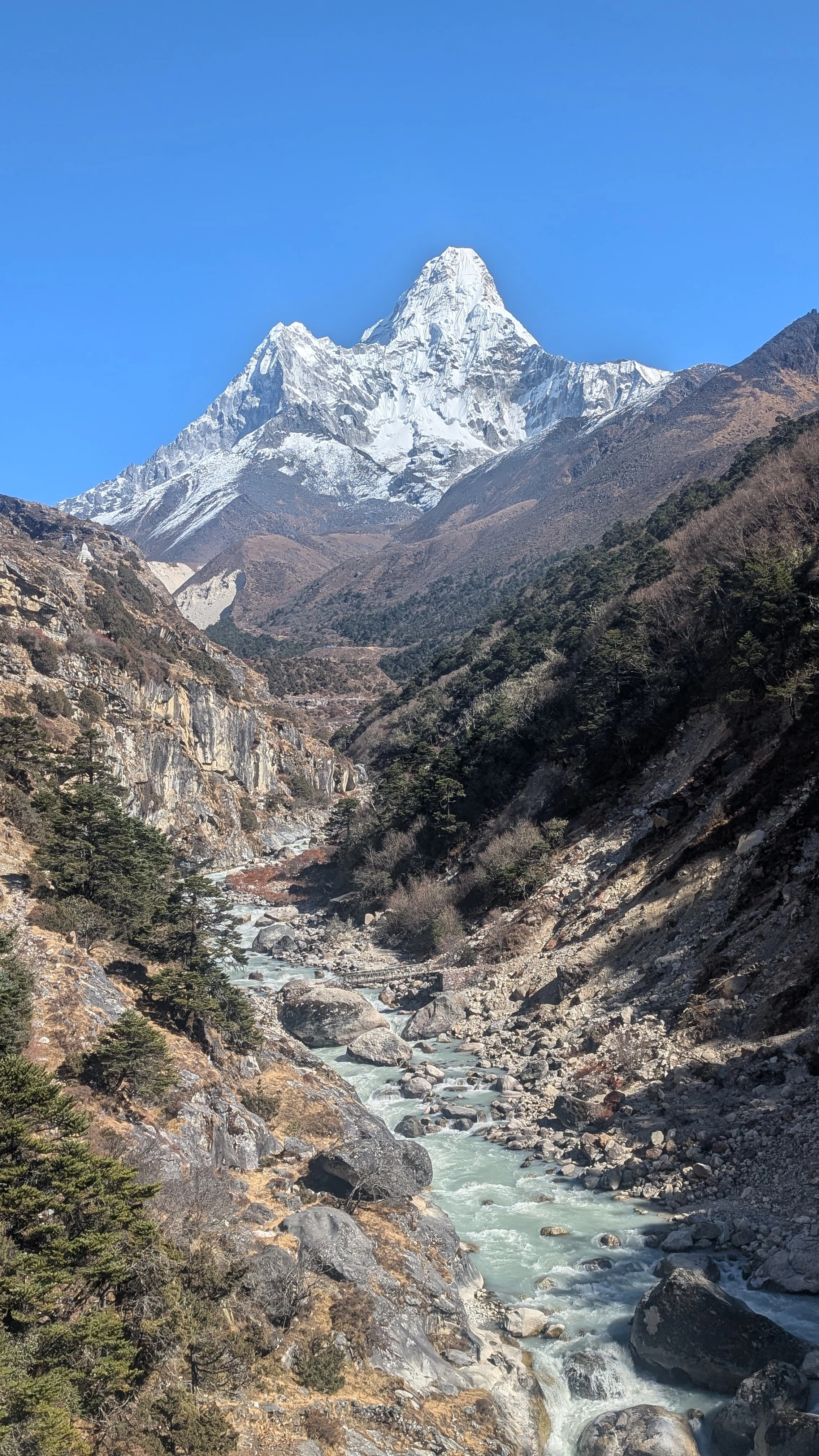

Ama Dablam Expedition 2027


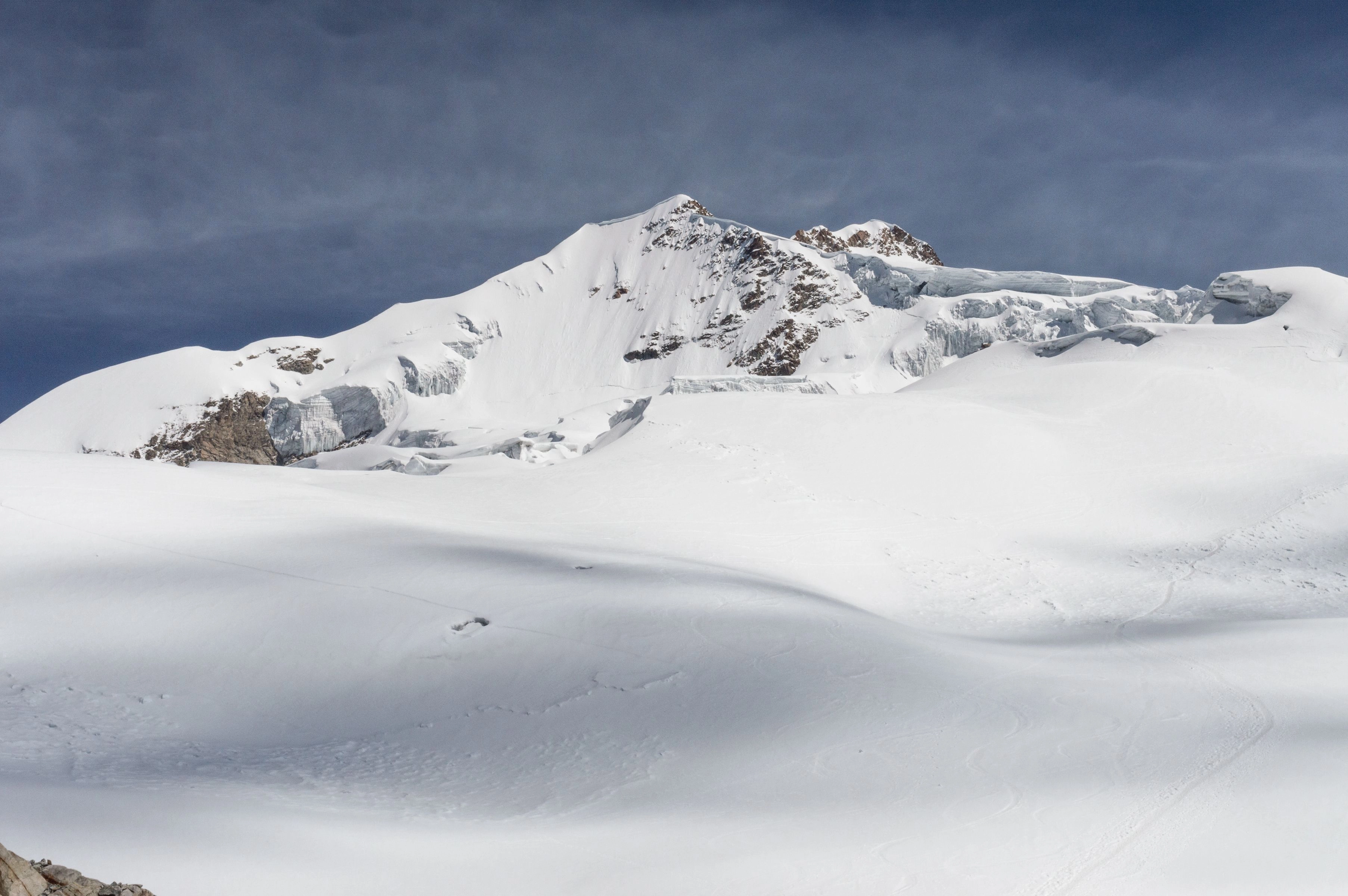
Chulu Far East Peak 2027
Chulu West Peak
Island Peak Climbing 2027
Lobuche Peak Climbing
Naya Kanga Peak