Putha Himchuli Expedition 2026-2027

Overview Departures Itinerary Inclusion Exclusion Gallery

Trip Overview

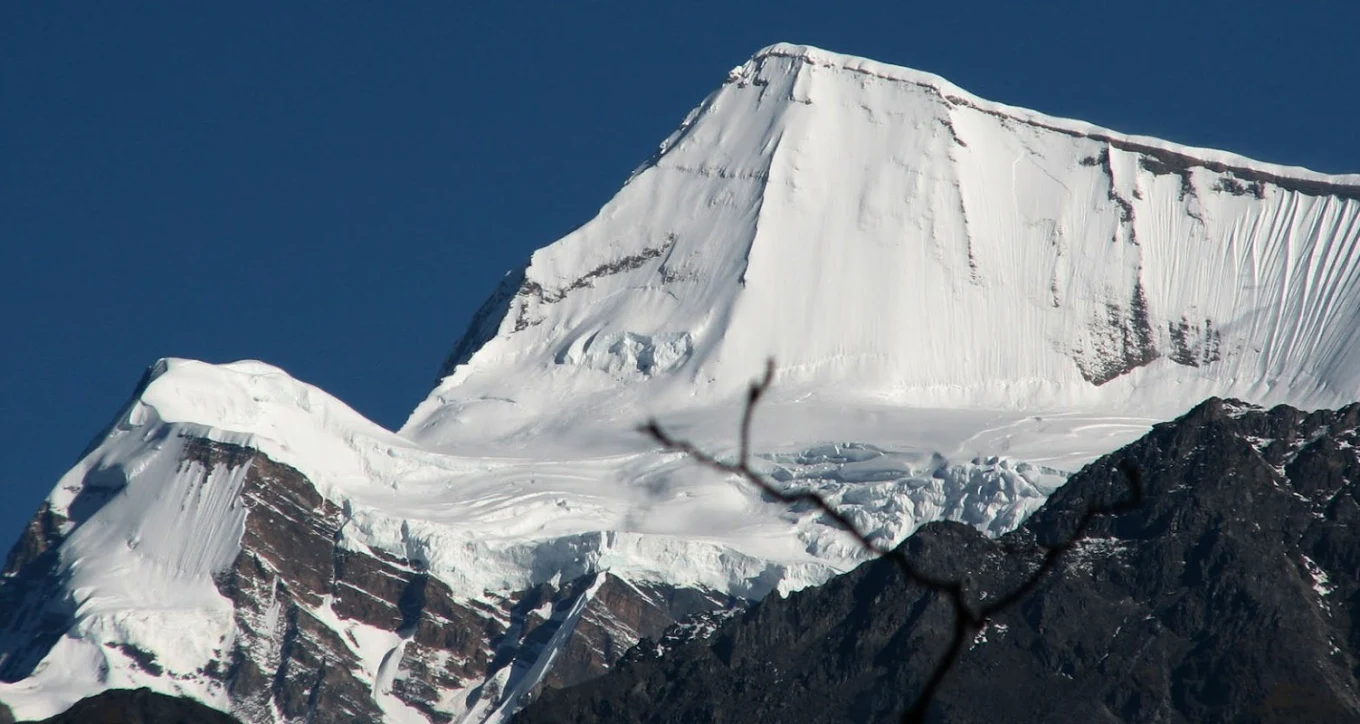
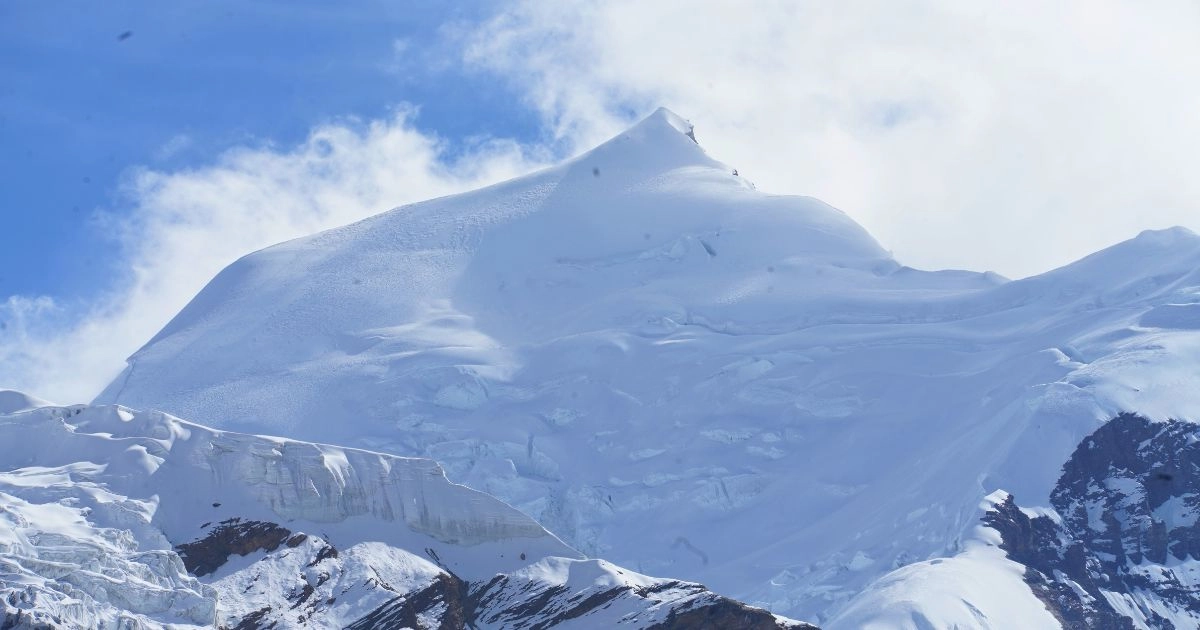
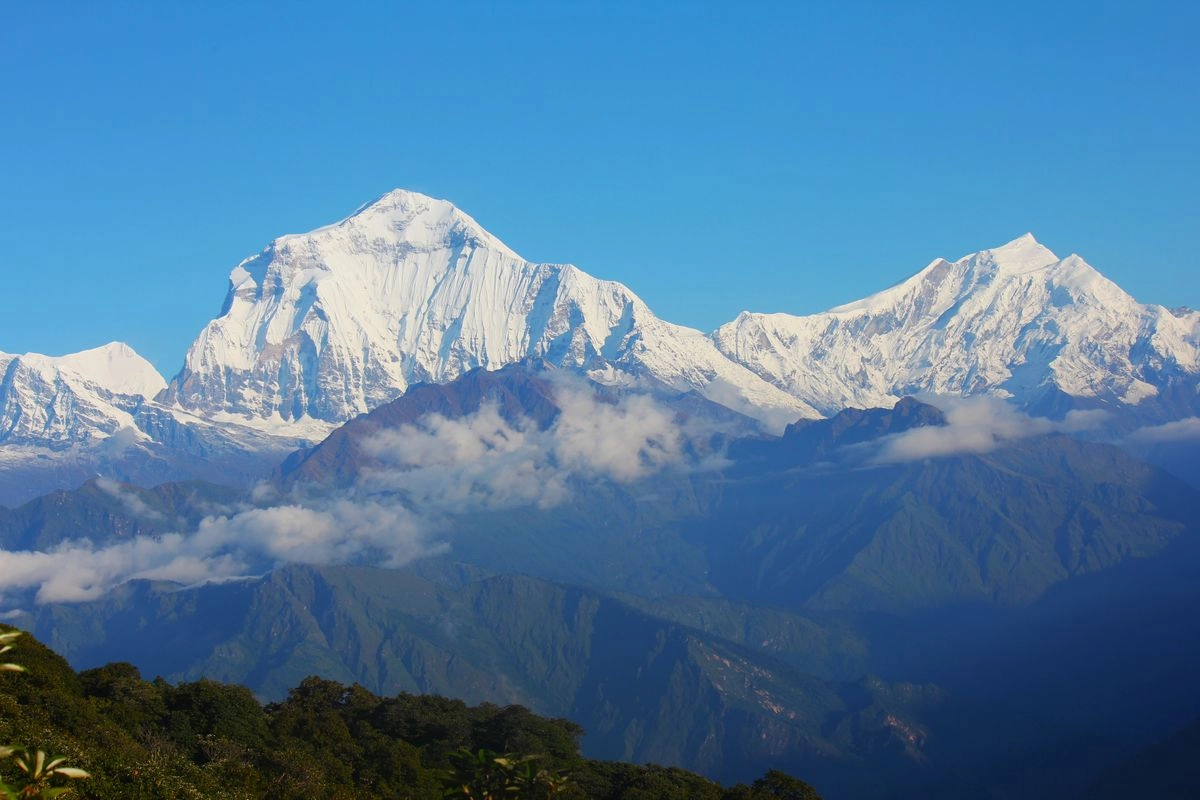
The Putha Hiunchuli Expedition (7,246m) , also known as Dhaulagiri VII, is one of the most accessible and rewarding 7,000-meter peaks in the Nepalese Himalayas. Ideal for mountaineers seeking to graduate from 6,000-meter trekking peaks or prepare for higher 8,000-meter expeditions, Putha Hiunchuli offers a technically moderate climb in a remote and culturally rich corner of western Nepal.

Located in the Dolpa region, often called the "Wild West" of Nepal, the mountain stands at the western end of the Dhaulagiri massif. Unlike crowded Everest or Annapurna circuits, this expedition provides a quiet, untouched Himalayan experience far from the usual trekking routes.

The journey begins in Kathmandu with permit processing and gear preparation before a scenic drive to Beni. From there, the trekking phase winds through lush forests, traditional Magar and Gurung villages, and high-altitude pastures. The approach to Base Camp crosses alpine ridges with stunning views of the Dhaulagiri range.

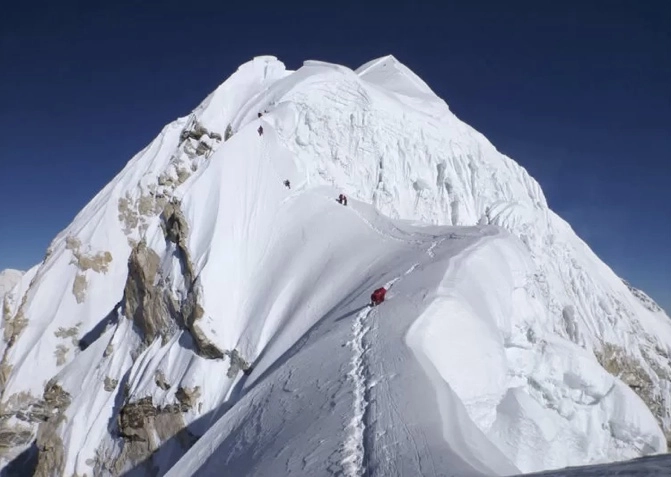
From Base Camp, the climbing route follows moderate snow slopes, glacier traverses, and a final summit ridge. The mountain is often described as the "easiest 7,000-meter peak" in Nepal, but remoteness and altitude still demand respect, physical fitness, and proper acclimatization.

After the summit, the descent retraces the same route back through the Dolpo hills, followed by a drive to Kathmandu for celebrations and farewell.

Best Seasons to Travel

Spring (April to May) and Autumn (September to October) offer the most stable weather windows for the Putha Hiunchuli Expedition. Spring provides warmer temperatures and longer climbing days, while autumn delivers crystal-clear skies and spectacular mountain views.

Notes to Travelers

This expedition is suitable for climbers with prior experience on a 6,000-meter peak (such as Island Peak, Mera Peak, or Lobuche East). While not highly technical, the climb involves long snow slogs, moderate glacier travel, and fixed rope sections up to 50-degree slopes.

Physical fitness is essential, as summit days can last 12–16 hours at extreme altitudes (-30°C to -40°C).

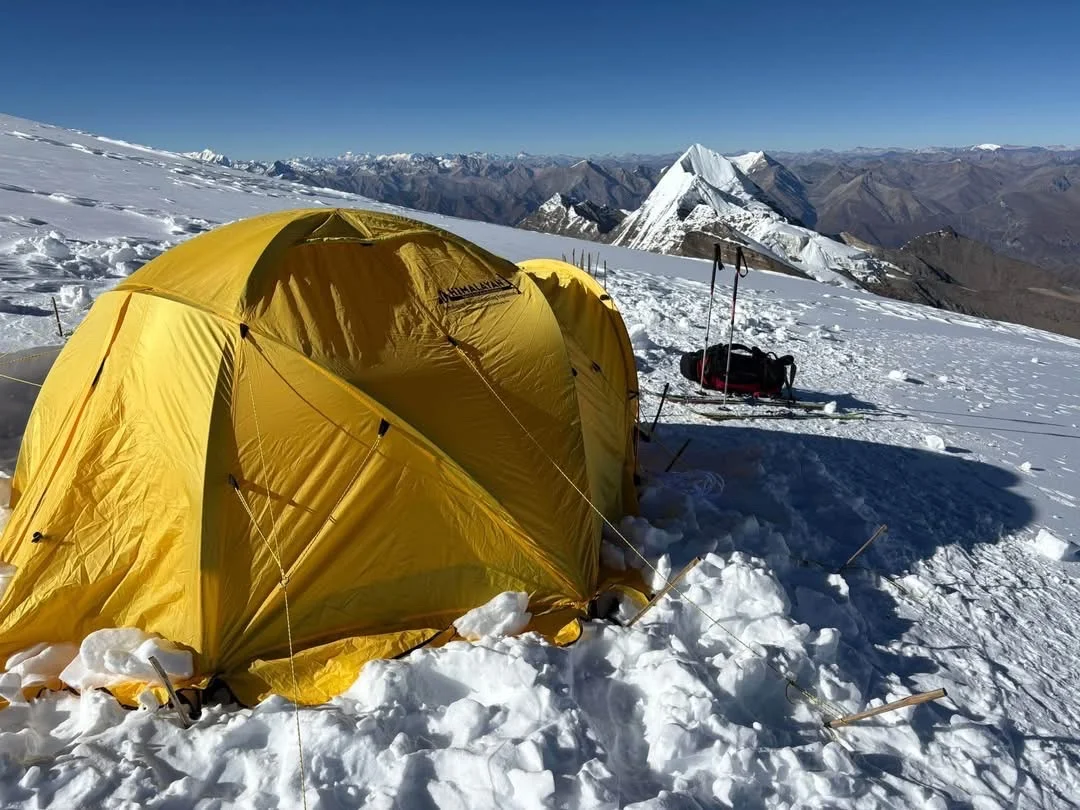
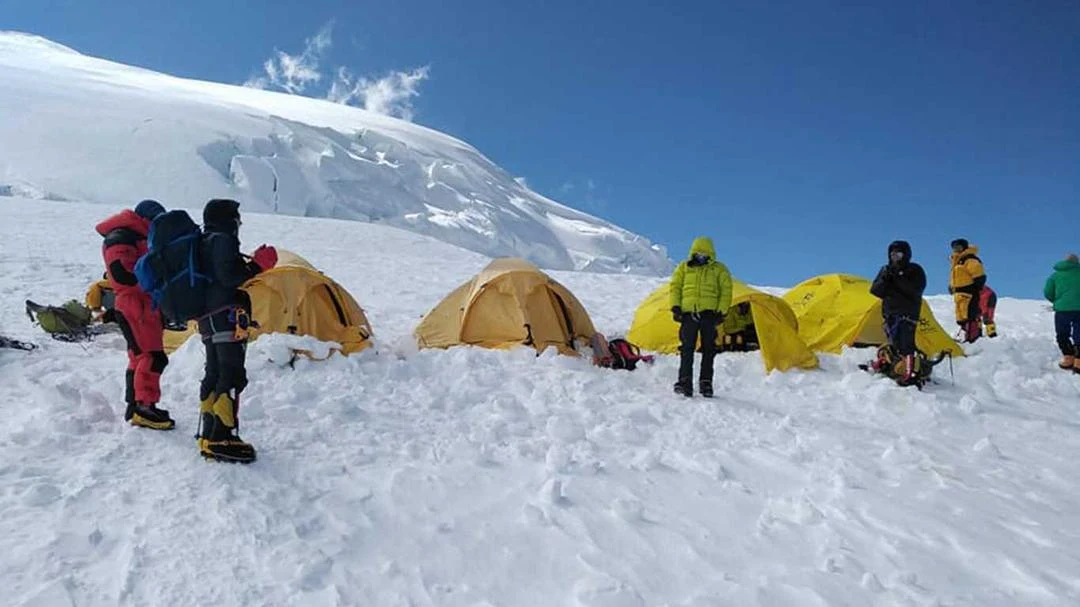
Accommodation includes hotels in Kathmandu, basic lodges or tents during the trek, and fully supported camping at Base Camp and higher camps.

The Dolpa region lies in a restricted area, requiring special permits arranged by the expedition operator. Comprehensive travel insurance with high-altitude rescue and evacuation coverage (above 6,000m) is mandatory.

Inspiring Note

Putha Hiunchuli is more than just a climb — it is a journey into one of Nepal's last true wilderness areas. It offers the perfect balance of cultural immersion, remote trekking, and achievable high-altitude mountaineering. For those who dream of 8,000-meter peaks but want a stepping stone that feels like a real adventure, Putha Hiunchuli delivers.

Highlights

  • ✅ Summit attempt of Putha Hiunchuli (7,246m / 23,772ft)

  • ✅ Often cited as the least technical 7,000-meter peak in Nepal

  • ✅ Remote trek through the untouched Dolpa region

  • ✅ Cultural experience in traditional Magar and Tibetan-influenced villages

  • ✅ Excellent preparation for 8,000-meter expeditions

  • ✅ Fewer crowds compared to Everest or Annapurna areas

  • ✅ Stunning panoramic views of Dhaulagiri, Churen Himal, and Tibetan peaks

  • ✅ Combination of teahouse trekking and full-service camping expedition
Fixed Departure Dates

Early booking recommended due to limited seats.

September 30, 2026
October 30, 2026
Request a Slot
October 01, 2026
November 01, 2026
Request a Slot
October 10, 2026
December 10, 2026
Request a Slot
October 24, 2026
November 22, 2026
Request a Slot
April 06, 2027
May 05, 2027
Request a Slot

Itinerary

  • Day 1 : Arrived Welcome in Kathmandu Airport (1300 m ) transfer to Hotel
    • Activity: Upon landing at Tribhuvan International Airport, you’ll be greeted by expedition staff and transferred to a hotel in Kathmandu.

    • Highlights: Rest after your flight, organize last-minute gear, and meet fellow climbers. Overnight at hotel.

  • Day 2 : Expedition Preparation & Briefing at Ministry – Hotel
    • Activity: Visit Nepal’s Ministry of Tourism to complete expedition paperwork, obtain climbing permits, and attend a mandatory briefing.

    • Highlights: Final gear check, team introductions, and Q&A with your lead guide. Overnight at hotel.

  • Day 3 : Drive to Pokhara & Beni by Private Bus
    • Elevation: Kathmandu (1,300m) → Pokhara (822m) → Beni (830m)

    • Activity: Scenic bus journey along the Prithvi Highway to Pokhara, then continue to Beni (the roadhead for Dhaulagiri region).

    • Highlights: Views of Trishuli River, Marsyangdi Valley, and first glimpses of Annapurna and Dhaulagiri ranges. Overnight at a basic lodge or tented camp in Beni.

  • Day 4 : Beni to Darbang
    • Elevation: 1,100 m → 1,550 m

    • Activity: Gradual ascent along the river, crossing into more remote terrain.

    • Highlights: Traditional Gurung and Magar villages, rhododendron forests, and views of the Dhaulagiri massif appearing in the distance.

  • Day 5 : Darbang to Takum
    • Elevation: 1,100 m → 1,550 m

    • Activity: Gradual ascent along the river, crossing into more remote terrain.

    • Highlights: Traditional Gurung and Magar villages, rhododendron forests, and views of the Dhaulagiri massif appearing in the distance.

  • Day 6 : Takum to Lamsang
    • Elevation: 1,550 m → 2,100 m

    • Activity: Steadier climb away from the main river, deeper into forested hills.

    • Highlights: Fewer settlements, wilder landscape, and sounds of Himalayan birds.

  • Day 7 : Lamsang to Gurja Gaon

    Elevation: 2,100 m → 3,020 m

    Activity: Steady ascent through thinning rhododendron forest, breaking above treeline into open alpine terrain. Trail becomes rockier and steeper as you gain elevation toward the ridge-top village.

    Highlights: First clear, unobstructed views of the Dhaulagiri range and Putha Hiunchuli appearing in the distance. Transition from forested hillsides to windswept alpine landscape. Tibetan Buddhist prayer flags and chortens near Gurja Gaon. Excellent acclimatization before higher camps. 

  • Day 8 : Gurjagoan to Darsinge Khark
    • Elevation: ~2,500 m → 3,200 m

    • Activity: Enter alpine zone; “Khark” means summer pasture. Trails become steeper and rockier.

    • Highlights: First clear views of Putha Hiunchuli’s upper slopes. Overnight tent.

  • Day 9 : Darsinge Khark to Burjunga Khark
    • Elevation: 3,200 m → 3,800 m

    • Activity: Rocky moraine terrain, crossing small glacial streams.

    • Highlights: Acclimatization hike in afternoon. Night sky incredibly clear.

  • Day 10 : Burjunga Khark to Putha Hiunchuli Base Camp (BC)
    • Elevation: 3,800 m → ~4,800–5,000 m

    • Activity: Final approach to BC, set on grassy moraine below the mountain’s southwest face.

    • Highlights: Stunning 360° views of Dhaulagiri, Churen Himal, and Putha Hiunchuli itself. Puja ceremony (blessing) performed by Sherpas. Overnight tent at BC.

  • Day 11-29 : Climbing Period – Putha Hiunchuli (7,246 m)
    • Activity: Acclimatization rotations, fixing lines, establishing higher camps, and summit push.

    • Typical schedule within these 19 days:

      • Day 11–13: Rest and acclimatization hikes from BC.

      • Day 14–17: Climb to Camp 1 (~5,300–5,450 m) and Camp 2 (~5,900–6,150 m), return to BC.

      • Day 18–21: Move to C2, establish Camp 3 (~6,400–6,500 m), sleep high.

      • Day 22–24: Weather window – summit day (12–16 hours round trip from C3).

      • Day 25–29: Descent to BC, contingency days for weather.

    • Highlights: Sunrise from summit over Dolpo and Tibet. Challenge includes -30 to -40°C cold, altitude, and long snow slopes.

  • Day 30 : Putha Hiunchuli Base Camp to Burjunga Khark

    Day 30: Putha Hiunchuli Base Camp to Burjunga Khark

    • Elevation: 5,000 m → 3,800 m

    • Activity: Break down BC, begin descent. Lungs and legs feel light with more oxygen.

    • Highlights: Celebration beers or tea at Burjunga. 

  • Day 31 : Burjunga Khark to Gurjagoan
    • Elevation: 3,800 m → 2,500 m

    • Activity: Return to forested zone, crossing back into village areas.

    • Highlights: Hot food options, friendly locals, relief of lower altitude.

  • Day 32 : Gurjagoan to Lulang Village
      • Elevation: ~2,500 m → ~1,800 m

      • Activity: Descend through rhododendron and oak forests to a new village route.

      • Highlights: Cultural interaction, possible local lodge stay. 

  • Day 33 : Lulang to Takum
    • Elevation: 1,800 m → 1,550 m

    • Activity: Retrace familiar trail along the river valley.

    • Highlights: Relaxed pace, swimming in river pools (weather permitting)

  • Day 34 : Takum to Darbang
    • Elevation: 1,550 m → 1,100 m

    • Activity: Final trekking day before road access.

    • Highlights: Last views of the high peaks, celebration with porters. 


  • Day 35 : Darbang to Beni
    • Elevation: 1,100 m → 830 m

    • Activity: Easy downhill walk to Beni.

    • Highlights: Hot showers, cold drinks, and a proper bed (basic lodge).

  • Day 36 : Drive Beni to Kathmandu by Private Bus
    • Activity: Long but scenic drive back to the capital.

    • Highlights: Re-enter civilization – restaurants, WiFi, and hotel comfort. Overnight at hotel.


  • Day 37 : Kathmandu Sightseeing & Farewell Dinner in Hotel
    • Activity: Rest or optional guided tour of UNESCO sites (Swayambhunath Stupa, Boudhanath, Pashupatinath, or Patan Durbar Square).

    • Evening: Farewell dinner hosted by expedition company with cultural performance.


  • Day 38 : Final Departure
    • Activity: Transfer to Kathmandu airport 3 hours before your flight.

    • Highlights: End of expedition – depart with summit photos, memories, and certification (if successful).

Cost Inclusion

  • All arrival and departure transfers to and from the international airport.
  • 4 Nights of 3-star category Hotel accommodations in Kathmandu on BB Plan.
  • Briefing and completing pre-departure information before departure from Kathmandu.
  • Kathmandu-Besishahar-Koto and VV; private transfer facilities.
  • Trekking Permit, Annapurna Conservation entry fees (permit), and TIMS for trekkers.
  • Experienced trekking guide and necessary porters during the trekking.
  • Three meals (BLD and limited tea or Coffee)and tea-house accommodation during the trek.
  • All required camping equipment like tents, kitchen, and camp furniture at Base Camp.
  • Three 3 meals with unlimited tea, Coffee, and hot chocolates; tented camp accommodation at BC.
  • Per climbing members get a maximum 40 kg Baggage allowance for personal logistics up and down.
  • Expedition Royalty to climb Mt. Himlung Himal levied to the Nepal Government.
  • Fully paid Government Liaison Officer with wages and insurance sharing in the team.
  • Insurance for medical, accidental, and search and rescue for all local staffs (Sherpa/Kitchen Staff).
  • Climbing Permit to climb Mt. Himlung Himal from the Department of Tourism.
  • Necessary kitchen and base camp staffs with equipment and wages.
  • Sharing rope fixing and High altitude meals and tents prepared by climbing Sherpa.
  • 1:1 Experienced Climbing Sherpa to support approaching to summit for the climbing member.
  • First aid medical kits with emergency oxygen and masks with regulators at BC.
  • Individual tents in the Advance Base Camp for climbing members and Dome Tents for Staffs.
  • Solar panel / Petrol Generator for light and battery charging at Advance Base Camp.
  • Our service charge and Government taxes levied in Nepal.
  • Farewell dinner in Kathmandu With Himalayan Karma Team
  • Complimentary duffel bag from Himalayan Karma Treks for storing and carrying your trekking gear

Cost Exclusion

  • Lunch and Dinner during your stay in Kathmandu (except farewell dinner).
  • Clothing, Packing Items or Bags, Personal Medical Kit, Personal Trekking Gears.
  • Any extra expenses arising out of various unforeseen situations like natural calamities, landslides, political disturbances, strikes, and changes in Government regulations.
  • Any additional staff (Sherpa/Guide/Porter etc.) other than specified.
  • Repatriation, Medicines, Medical Tests, and Hospitalization expenses.
  • Travel/medical/accidental Insurance and helicopter search and rescue evacuation.
  • Summit bonus to your climbing Sherpa (Required begins from minimum US$ 700 per summit per Sherpa)
  • Tips to base camp staffs (Per member beginning from a minimum of US$ 150.00 in total)
  • Repatriation, medicines, medical tests, and hospitalization expenses for members.
  • Travel insurance and helicopter rescue evacuation for members.
  • Other TIPS/Gifts/Souvenirs to anyone related to your expedition.

Related Packages

Horizontal orange line