Trip Overview
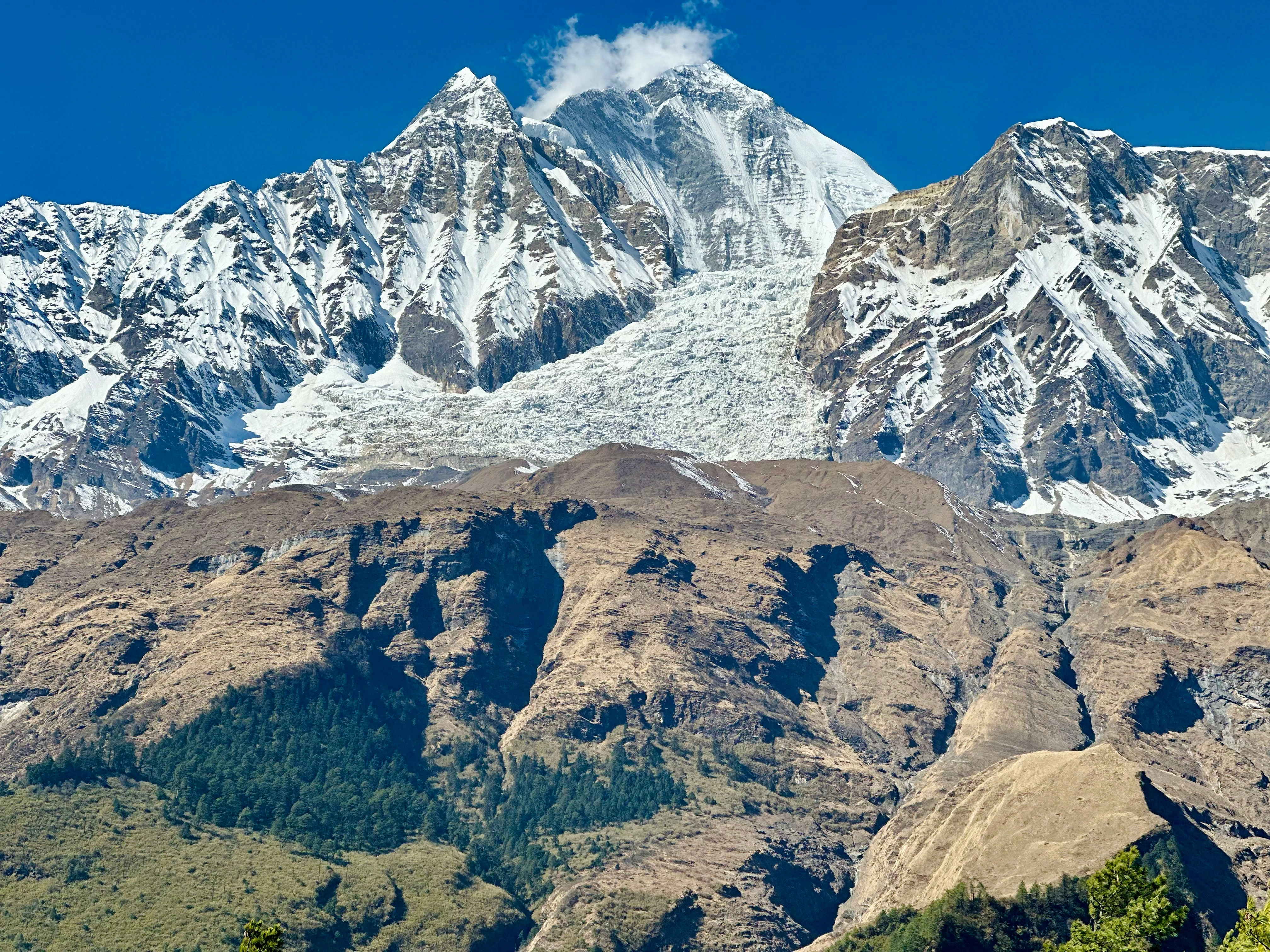
The Dhaulagiri Expedition (8,167m) is one of the most demanding and rewarding climbs in the Himalaya. Known for its remote access, technical challenges, and raw mountain environment, Dhaulagiri is a serious objective suited for experienced climbers seeking a less commercialized 8000-meter expedition. Himalayan Karma Treks invites you to join with us for this specific expedition and experience the thrill of standing atop the seventh-highest mountain on Earth.
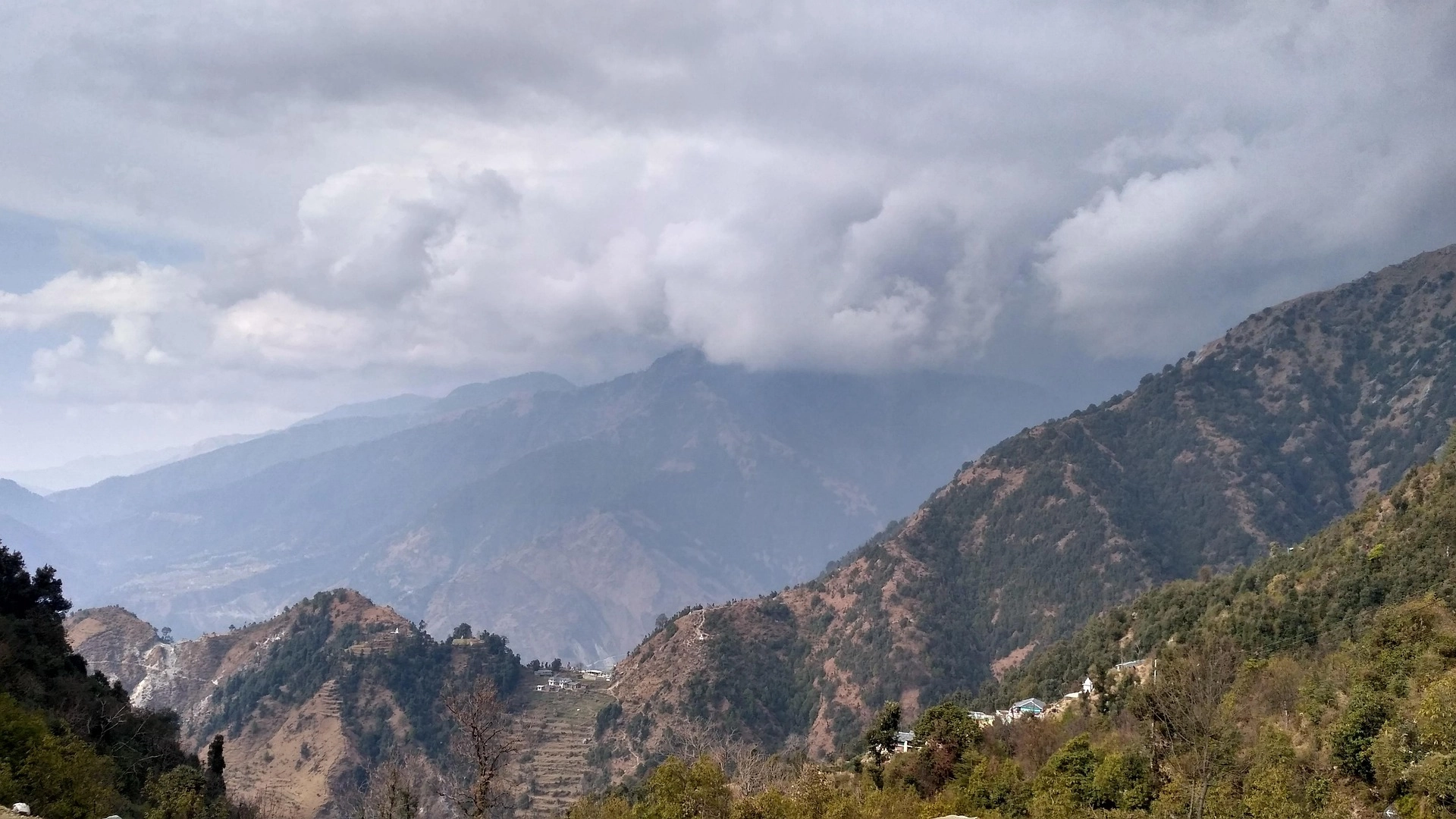
The journey begins in Kathmandu with preparation and official formalities before heading west towards Darbang. Himalayan Karma Treks will handle all logistics, permits, and documentation, ensuring a seamless start to your expedition. From here, the trekking phase starts, passing through remote villages, terraced farmland, and dense forests. Unlike more developed trekking regions, this route remains largely untouched, offering a more authentic Himalayan experience.
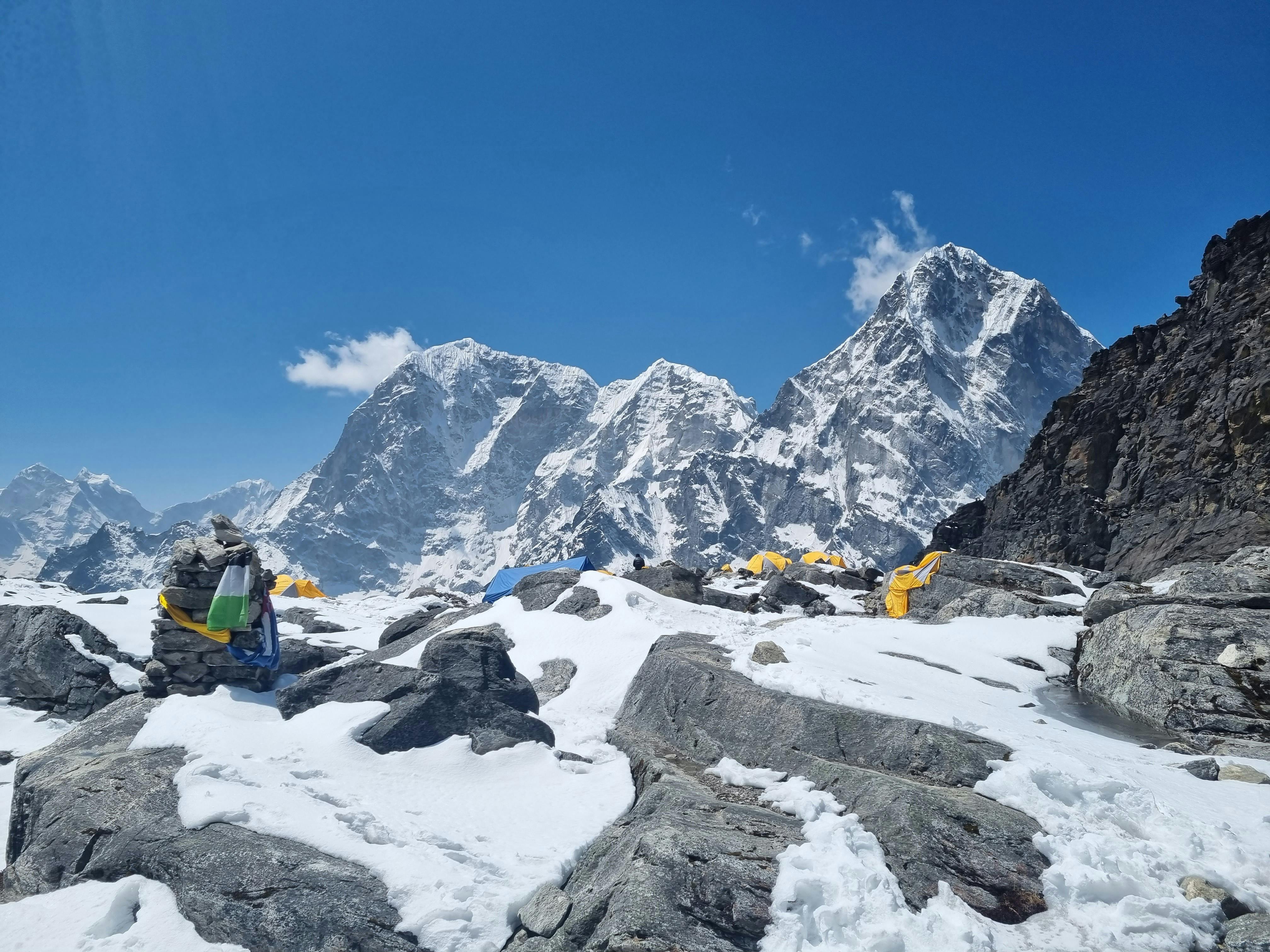
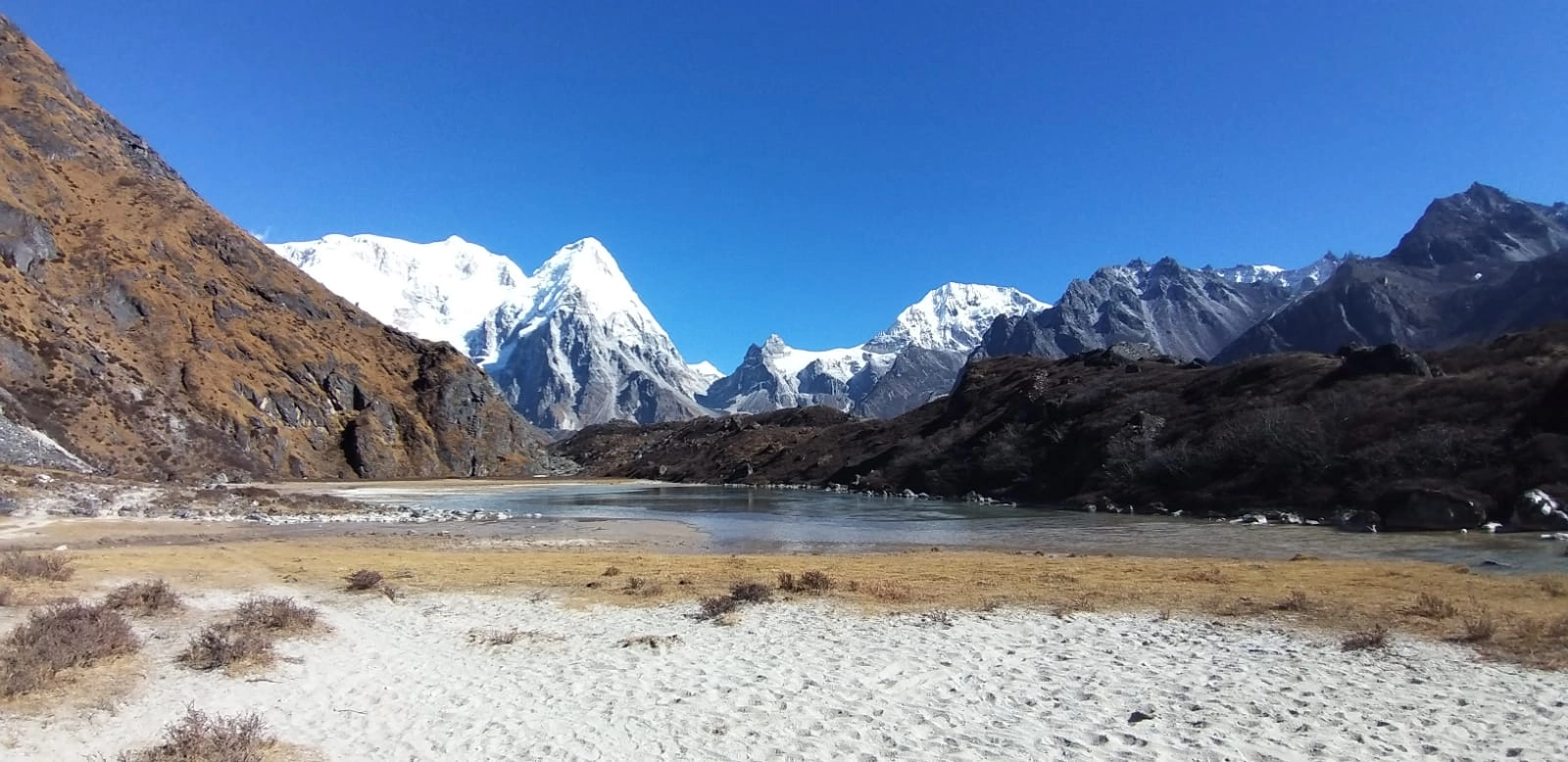
The trail gradually ascends through Dharapani, Muri, and Bagar, eventually reaching higher alpine terrain. As the route progresses, the landscape becomes increasingly rugged, with narrow valleys, river crossings, and steep ascents. The approach via Italy Base Camp is one of the unique aspects of this expedition, providing a scenic and strategic route toward Dhaulagiri Base Camp. With Himalayan Karma Treks by your side, you will be guided by experienced Sherpa mountaineers who know this terrain intimately, ensuring your safety and comfort throughout the approach.
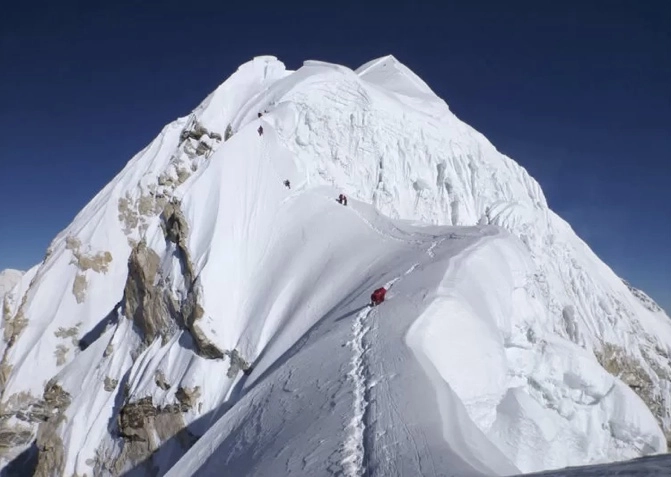
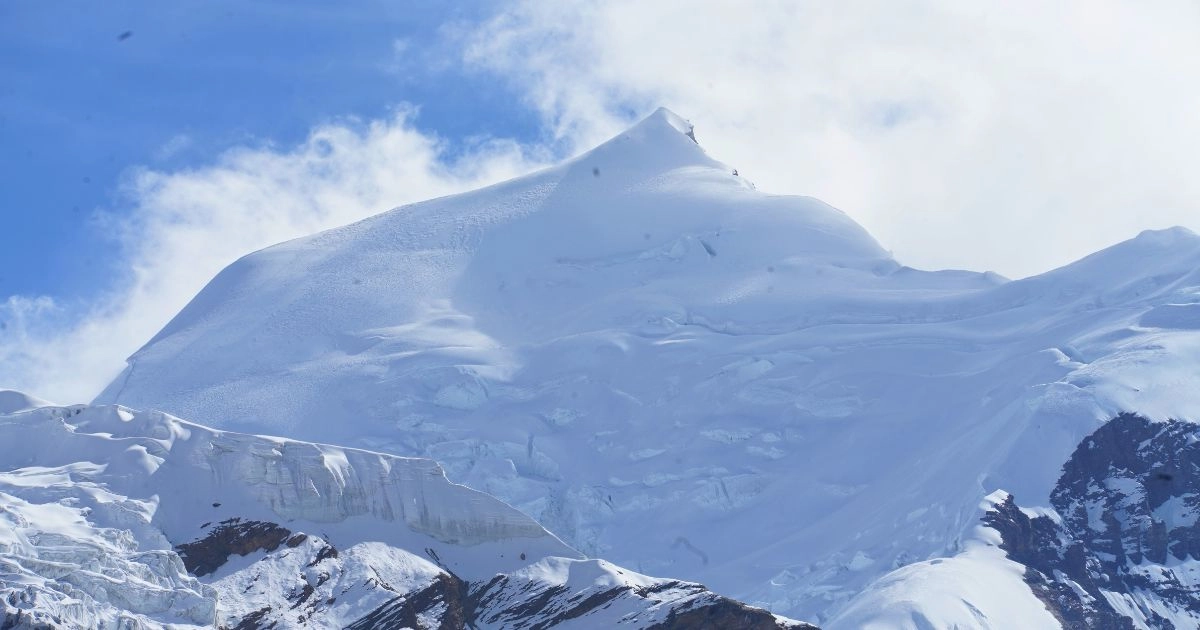
From Base Camp, the climbing phase begins. Dhaulagiri presents a technically demanding ascent involving glacier travel, crevasses, steep ice sections, and exposed ridges. Proper acclimatization rotations and careful planning are essential for a successful summit attempt. Himalayan Karma Treks provides expert high-altitude Sherpa guides, comprehensive climbing logistics, and fixed rope installations to maximize your safety and summit success.
After the climbing period, the descent follows a different route via Yak Kharka and Jomsom, offering a contrasting landscape. A short flight from Jomsom to Pokhara concludes the mountain phase before returning to Kathmandu. Throughout this journey, Himalayan Karma Treks ensures that every aspect of the expedition is managed with professionalism, care, and attention to detail.
Best Seasons to Travel
Spring (April to May) is the best season for the Dhaulagiri Expedition, offering more stable weather, better snow conditions, and safer summit windows. Autumn is less preferred due to colder temperatures and increased wind exposure. Himalayan Karma Treks carefully schedules expeditions during these optimal windows to provide the best possible chance for a successful summit.
Notes to Travelers
This expedition is suitable for highly experienced climbers with prior high-altitude and technical mountaineering experience. Strong physical conditioning, endurance, and familiarity with fixed ropes and glacier travel are essential. Himalayan Karma Treks conducts thorough pre-expedition assessments and provides personalized preparation guidance to ensure you are fully prepared for this challenging climb.
Camping is required throughout most of the trekking route, with limited teahouse availability until the descent phase. Climbers should be prepared for remote conditions and limited external support. Himalayan Karma Treks provides high-quality camping equipment, nutritious meals, and comprehensive support to ensure your comfort and well-being throughout the expedition.
Comprehensive insurance, including emergency evacuation, is mandatory. Weather conditions can be unpredictable, so flexibility in schedule is important. Himalayan Karma Treks advises on insurance requirements and maintains robust emergency response protocols to ensure your safety at all times.
Inspiring Note
Dhaulagiri stands as a true test of endurance and determination. Its remote trails and demanding climb reward those who are prepared to push beyond limits, offering an experience that few mountains in the world can match. With Himalayan Karma Treks, you are not just joining an expedition—you are becoming part of a family of passionate mountaineers dedicated to achieving the extraordinary. We invite you to join with us for this specific expedition and embark on the adventure of a lifetime.
Highlights
-
Summit attempt of Mount Dhaulagiri (8,167m), the seventh-highest mountain in the world
-
Remote and challenging expedition in western Nepal
-
Scenic drive from Kathmandu to Darbang
-
Trek through traditional Magar villages and dense forests
-
Unique approach via Italian Base Camp
-
True wilderness camping experience throughout the trek
-
Technically demanding climb with glacier and ice sections
-
Expert guidance and support from Himalayan Karma Treks
-
Personalized expedition planning and preparation
-
Comprehensive logistics and safety management
-
Experienced Sherpa climbing guides
-
Emergency response and evacuation protocols